There is a straightforward way to put it: for the majority of homes in Australia the optimal time for a gutter clean is late autumn, followed up in late spring. The former will see you rid the gutters of leaves, sticks and other organic matter ahead of the winter rains; the latter is to clear out any dry debris before summer storms and bushfire season set in, or the wet season in the north.
I am Gideon Bennett. One does not have to put in much time with ladders and leaf piles, or be told “that gutter is fine from where I stand”, to appreciate that it is less costly to do the maintenance than to let water take its course. For safe gutter cleaning tips, what dictates the schedule is a matter of roof design, local weather conditions, how safely one can get at the gutters and what trees are about. A property under pines or eucalyptus might call for three or four inspections annually, a low-canopy home in the suburbs can do with two.
Timing Your Gutter Cleaning

Australia-wide, late autumn is the principal time for gutter work. Most deciduous trees have done their dropping and the winter rain is on its way. It is a good way to have things in order before protracted wetness puts every downpipe, valley and joint to the test.
Then there is the value of a late spring visit. You are clearing away dry detritus ahead of the thunderstorms, making sure there has been no storm damage and taking away some of the fuel from the gutters when fire danger is high. For those in tropical climes and the north it is also an opportunity to put the roof drainage system in shape for the summer wets.
A case for two checks
Two well placed inspections, one each in late and early spring and autumn, make sense as a baseline for most. Do not think of them as fixed dates. The owner of a Melbourne home with plane trees over the roof will be on top of things sooner than someone in Perth with scant foliage around. In Darwin the concern is to be ready for the heavy wet-season run off rather than anything in winter.
And if the weather has been unkind, have a look at the roof. Gutters are not concerned with the calendar when a branch makes its way into them. Hail, high winds or a tree coming down will put the next inspection on the agenda.
The priority in Autumn
What you are after in autumn is to deal with the fallen leaves that are prone to blockage. Get wet and they put on weight and mix with seed pods, roof grit and sticks to make a mat so dense the water cannot get to the downpipes.
It is better to do this while the going is good and before the winter rains. Any loose brackets, sagging or a cracked seal can be put right before a spell of wet weather has a chance to make a small defect show itself in stained walls or eaves running over.
Do not let Winter Blockages build up
Pay particular heed to the roof valleys which are where the water and dry debris from much of the roof will end up. If the outlet is blocked the water will find its way under tiles or down an outside wall and you may not know it until there is a proper downpour.
I made the error once of leaving some scattered leaves alone. From below they were thin and dry enough. Rain came and they were like papier-mâché round the outlet. Not a full blockage but the downpipe was slow to drain and the eaves had a dirty stripe from the overflow. An ordinary cause for an irritation.
Checklist for Autumn
- Get out the compacted organic matter, leaves and sticks.
- Inspect all outlets and clear the valleys.
- Where it is safe, flush the downpipes to see if drainage is impeded.
- Check for split joints, rust, sagging and fixings that have come loose.
- Put a trim on any branches hanging directly over the roof.
Spring should not be overlooked

In some of Australia you might be inclined to think spring cleaning is superfluous now the leaves have stopped falling. But spring storms have a way of putting down a lot of rain in little time and wind will push dry debris into the outlets.
There is also the question of bushfire readiness. Gum trees and thick vegetation around the roof mean the twigs and leaves in the gutters are a risk. It will not render the place bushfire-proof but it is a source of dry fuel you can do without. As part of a general check of the property, the gutters should be done before the hot weather and bushfire season arrive. A sensible approach to preparation includes clearing the debris that has built up around a building and inspecting roof spaces, as well as heeding what your state or territory fire authority would have you do. One should not think of clean gutters as anything more than one element of good preparation; flying embers are capable of going well past the fire front.
Prepare Before Hot Weather
Prior to any outdoor work or climbing, the Bureau of Meteorology is the place for up to date weather and warnings. Under no circumstances should one be on a roof in strong winds or when it is wet and slippery. Remember gravity is not to be negotiated with a ladder; it will have its way.
Regional Gutter Maintenance Across Australia
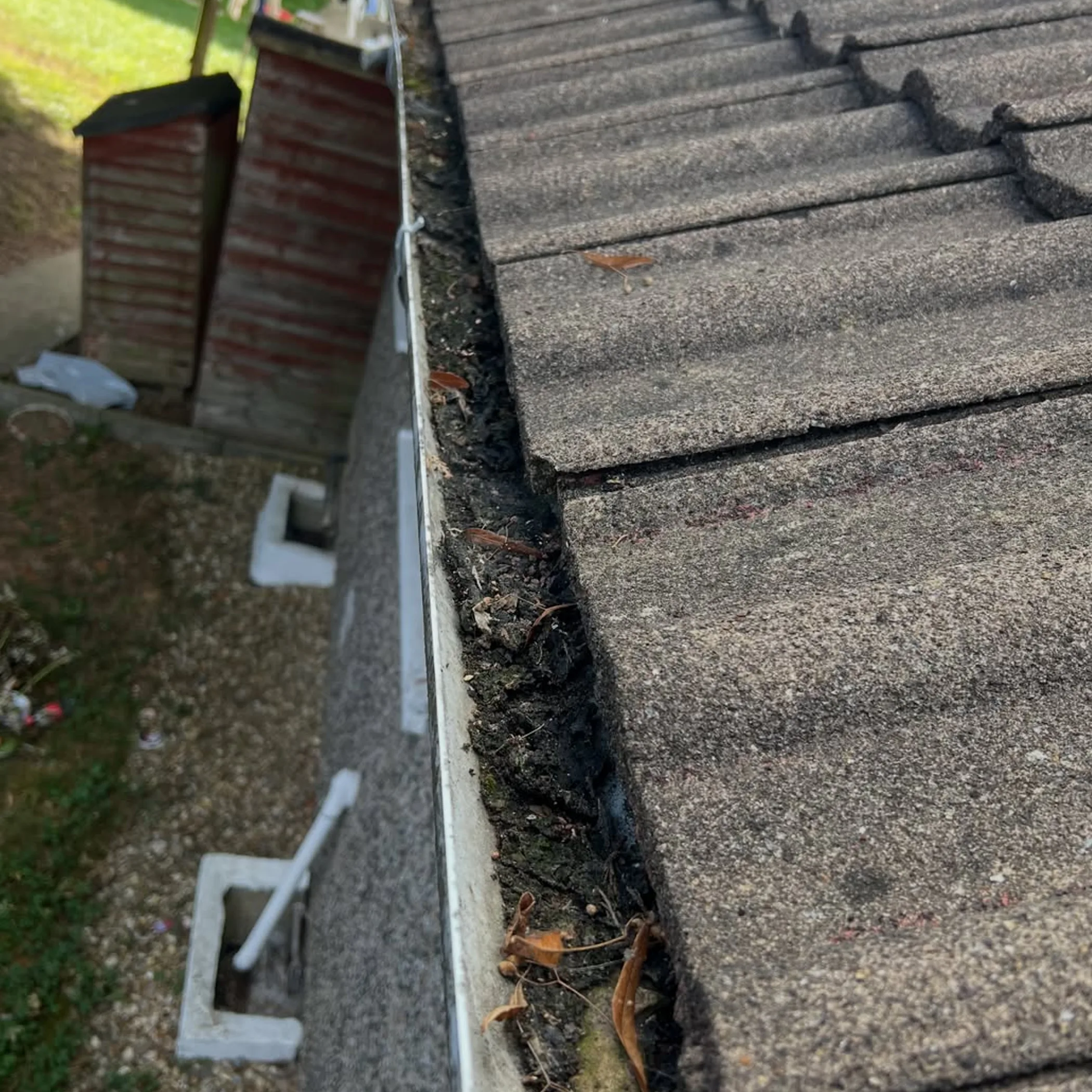
There is no point in adhering to a blanket calendar for regional gutter maintenance, it is better done in keeping with local weather. The climate in Australia is quite different from the southern states to the west coast, the Top End, the Red Centre and the Queensland coast; a cleaning routine that works in one place is not apt for another.
The table can be taken as a guide, but make allowances for the shape of the roof, tree cover and recent weather at the property.
| Region | Best Main Check | Second Check | Main Concern |
|---|---|---|---|
| Southern Australia | Late autumn | Late spring | Winter rain, fallen leaves and spring storms |
| Perth and south-west WA | Late autumn | Late spring | Eucalyptus and dry summer detritus, winter rain |
| Queensland coast | Prior to the wet season | In the wake of major storms | Storm damage, leaf litter and heavy rain |
| Top End / northern Australia | Before November rains | Post wet season | Debris from wind and cyclones, downpours |
| Inland and dry areas | Late autumn | Ahead of summer storms | Sudden runoff, dust, sticks and other dry debris |
Match The Local Weather
For those in the southern cities the emphasis is on getting the gutters done before the winter rains set in. Up north the matter is whether the system can stand up to the wet season, the wind and the like. An extra look over is in order after a damaging event or warning in parts of the country prone to tropical cyclones between November and April.
Debris will gather faster on a property near bushland or under a mature eucalyptus than in an open street, as is the case along the Great Dividing Range. And if a rural property has a long gravel drive, it is best to put off maintenance until the access is firm and dry after a rain.
Plan Access And Service
Allow one to three hours for a day’s work on a single-storey home of average size, though a two-storey with steep roofing, blocked downpipes or many valleys will demand more time. These are only estimates for planning purposes.
See that side gates are open and outdoor furniture is not against the walls before the professional comes round. Make sure there are no vehicles on the working side of the house. You will want to know where ladders are to go, how the debris is to be put out and if the downpipes are to be flushed. Should the worker need to cross to a neighbour’s land, get permission in advance. The water’s return path must be as unobstructed as the worker’s.
How Often Gutters Need Cleaning
It is a question of foliage. Where there are no trees about the home, twice a year is enough for an inspection. Put in for quarterly checks if the house is under a heavy canopy of pine, eucalyptus or gum, particularly when it has been windy.
Gutter guards are no substitute for a proper maintenance plan. They may keep some leaves at bay but fine organic matter and seeds will find their way through or on top. A blocked screen is as much of an impediment to water as a clogged gutter and they too require looking at.
Use This Frequency Guide
Start with two checks in the year. Three or four is called for on a property with a complex roof, dense foliage or a propensity for blocked downpipes and storm exposure. If a big storm has passed, give the visible gutters a once over from the ground even without an appointment.
Older guttering calls for more scrutiny; a loose bracket or brittle seal can make of a cleaning a repair. Repeated overflows after a clean could be due to an undersized downpipe, a bad outlet or roof water being channeled into too small an area.
What Changes Your Schedule

You will be guided by the drainage system’s condition, the roof design, how hard it rains and the extent of the tree cover. Multiple roof valleys tend to focus the runoff in a few weak spots and a long expanse of roof edge will see more water than a porch.
There is the seasonal factor to consider as well. A bit of dust will be put down by construction in the vicinity, and a fallen branch or some pruning and landscaping can mean an unannounced amount of debris. Then there is the matter of corrosion for those on the coast, or the extra vigilance required of homes in bushland ahead of high fire danger.
The Roof Layout
After a rain, make a circuit of the house to see where the water is going. There is no need to put yourself on a ladder to do it. From the ground one can spot any overflow marks, dampness under the eaves, water running over the front edge or downpipes not discharging as they should.
Pay particular heed to blocked downpipes; they are enough to bring a gutter system that looks in order to its knees. Should you see water in the gutter long after the rain has passed, have it looked at more closely. For a blockage within the pipe or underground connection a plumber or professional service is the better option.
On Gutter Cleaning
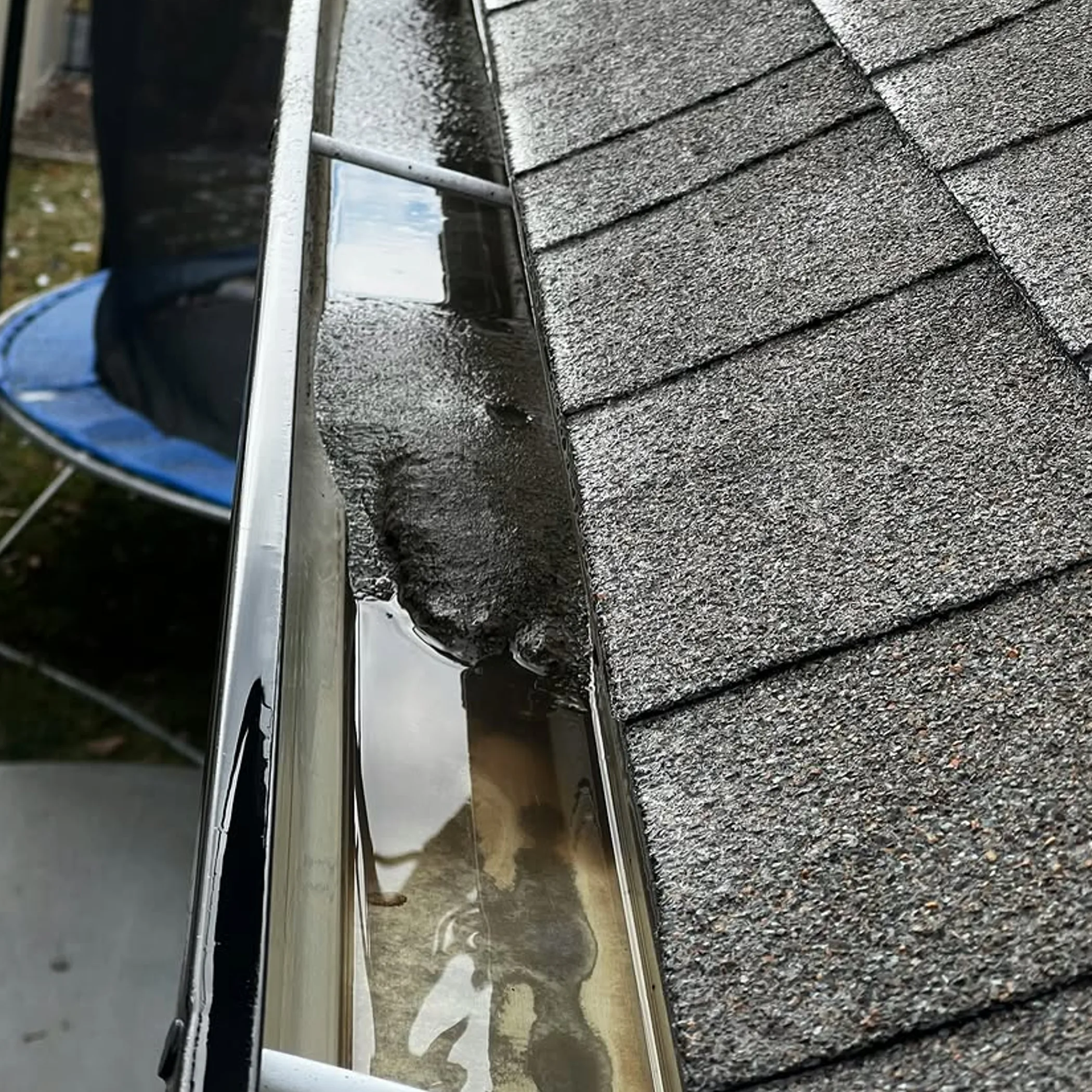
The first rule of safe cleaning is to know when to stay off the roof. A bucket of leaves is not worth the risk of wet roofing, high winds, a damaged ladder or electrical hazards.
A trained individual might find a stable ladder on even ground adequate for single-storey work, but one must still observe ladder safety: maintain three points of contact, do not overreach or lean out. Where the roof is steep, fragile or hard to get to, an extension pole or a call to the professionals is in order.
Err on the side of caution
Gloves are a good idea given the sharp metal, broken tiles, insects and animal waste in the mix. Eye protection is useful if dry material decides to come down on you. Under no circumstances should debris be pressure-washed in the direction of people, doors, windows or anything electrical.
And do not go into a roof space just because of a leak. You could encounter wildlife, wiring, heat and unstable footing. If there is a sagging gutter, exposed fasteners or storm damage of any consequence, leave it to a qualified hand.
When to put an inspection on the calendar
Certain signs will prompt action in any season. Debris left too long will show itself in plants growing in the gutter, water stains under the eaves or gutters that run over with only light rain. After the rain has gone, listen for dripping and note if some sections are still wet while others have dried. A downpipe putting out little or no water is likely blocked. If the same spot overflows time and again, it is more than a case of cleaning; there is a drainage or installation problem.
Storm Damage
In the wake of strong winds, check from the ground for any roof sheets or guttering that have been dislodged, or branches that have come down. Stay away from anything that looks unstable. If it is not safe to get close, take a picture from a position of safety and ring a qualified service.
For properties in bushland, do not put off gutter cleaning until a fire warning is in force; it is easier to get a tradesman out when the weather is right and before the season starts. In the event of an emergency, let the local authorities tell you what to do.
Frequently Asked Questions
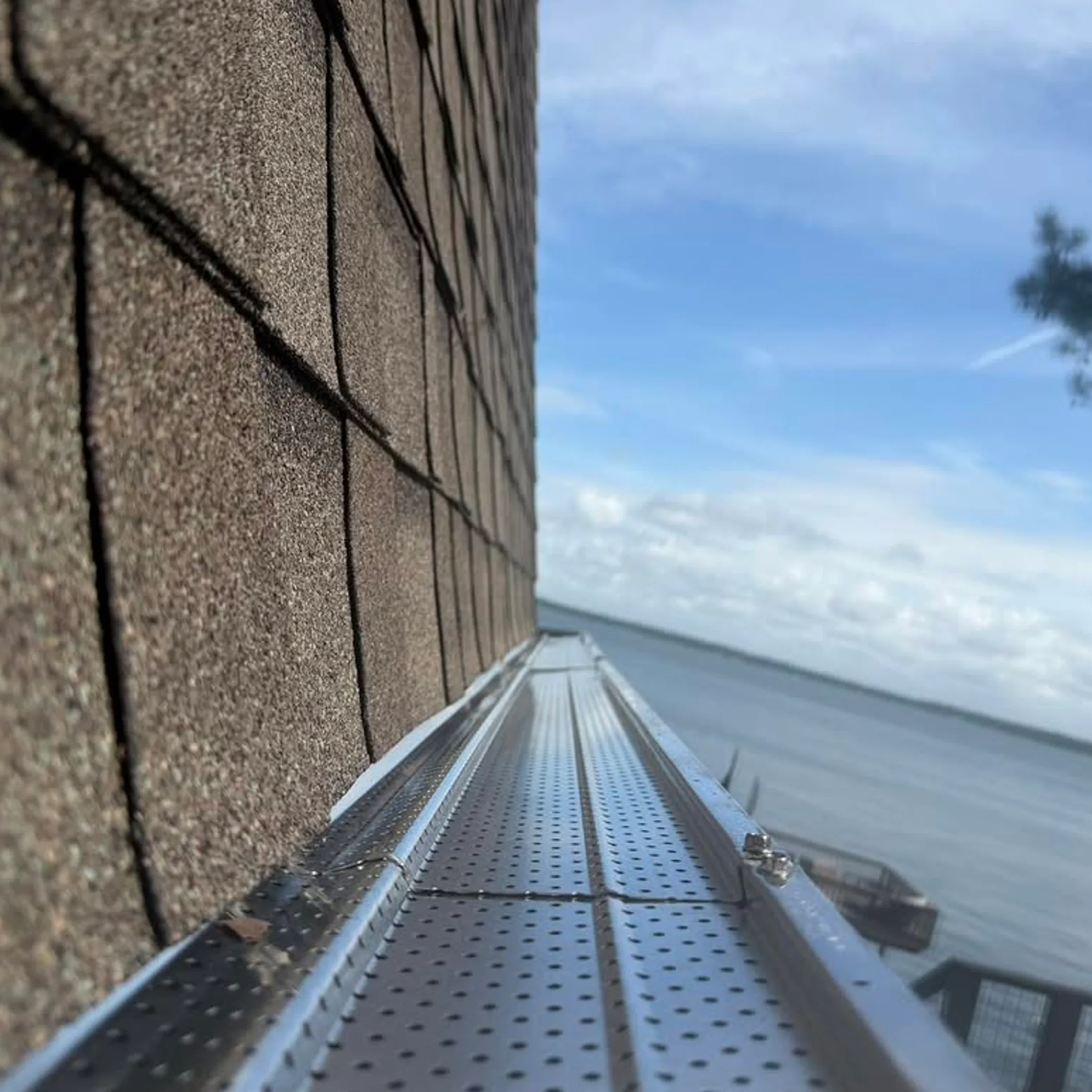
Homeowners are often at a loss over the practicalities of it all, be it gutter guards or post-storm clean up. Put simply: watch the roof, be mindful of the climate and regard unsafe access as a stop sign.
Autumn the preferred time?
For most homes where leaf fall is an issue, late autumn is ideal as it is after the main drop and before winter rains set in. Not every property is so straightforward. In the tropics one may be more concerned with getting ready for the wet season, and a home with dense foliage overhead will want checking at other times of the year.
Will gutter guards do away with cleaning?
They will keep the larger leaves out but fine debris, seeds and dust are another matter. Check the outlets and roof valleys and the guards themselves at least twice a year and clean them if the flow of water is impeded.
Is it all right to clean after a rain?
Not until the ground and ladder area are dry and firm. The debris is heavier, surfaces give way and there may be moving water in the downpipes. If a major storm has caused visible damage or the system is not safely reachable, have it inspected.
How often is sufficient?
Many are content with two a year, in late spring and late autumn. But under a heavy tree canopy of pine, eucalyptus or gum, or if the downpipes have a habit of blocking, three or four is more like it.
Time to call in help?
If the roof is high or steep, or you do not have the equipment and know how, then engage a professional. The same applies for persistent overflow, structural or electrical issues and any suspected damage to the roof.
A simple schedule

Late autumn is generally the time for it in Australia with a follow up in late spring. Make allowances for your home’s surroundings, the wet season, rainfall and the odd bit of storm damage.
Set a couple of calendar reminders and do not ignore a blocked downpipe. It is a modest job and the payoff is practical; a clean gutter puts the rainwater where it belongs. Much less of a drama than finding a stain on the ceiling when you are boiling the billy.
