What is the best time to be in Darwin in 2026? Travellers will generally put their money on the dry season between May and September. The days are warm without the humidity, you can count on the roads and it is all round easier to make of your time at Kakadu National Park or Litchfield National Park. Then there is the wet season or green season from November to April. Should you fancy some lower prices and the odd dramatic storm or waterfall, it is fine going then, but expect heavy rain, sticky nights, limited access and you have to be croc-wise about it.
In the southern way of things, one might think of four seasons but not in Darwin. The Top End has only two gears: the wet and the dry. It is straightforward until you find yourself at 90 per cent humidity with a dead mozzie on your ankle and your day trip derailed by a road closure. We have put together this guide to the 2026 Darwin weather in no uncertain terms, covering everything from festivals and wildlife to budget and comfort, so you can decide for yourself.
A Quick Answer
For a trouble-free and reliable experience, June, July and August are hard to beat. They are the preferred months for those visiting for the first time as the weather holds up and you can get to the big Top End attractions without issue.
Prefer a landscape that is lush and skies that are a bit more tempestuous over a dry shirt? Make it late January through to April or November. For those looking to explore further, check out our Darwin hidden gems guide. But be aware: in the 2026 wet season you may have to alter your plans, contend with flooded crossings and find that what looks like a short hop on the map is in fact off-limits.
On The Climate In Darwin
You are in a Northern Territory tropical city where the heat does not vary much but the rest of the equation, be it rainfall or access, is another matter. What will surprise some is that the thermometer is not the whole story. You can handle 32°C in the dry; come the build-up to the monsoon and the same temperature with the humidity is rough as guts.
Two Distinct Seasons
The dry pattern in Darwin is in evidence from May to October. With clearer skies and the humidity gone, the nights are quite pleasant and it is prime time for a market visit, an outdoor festival or a wildlife cruise.
From November to April you have the wet season, with its monsoon and electrical storms and the year’s highest humidity. There is also the possibility of a tropical cyclone in this northern window so keep an eye on the Bureau of Meteorology (BOM) for any official word.
Why The Dry Is The Sweet Spot
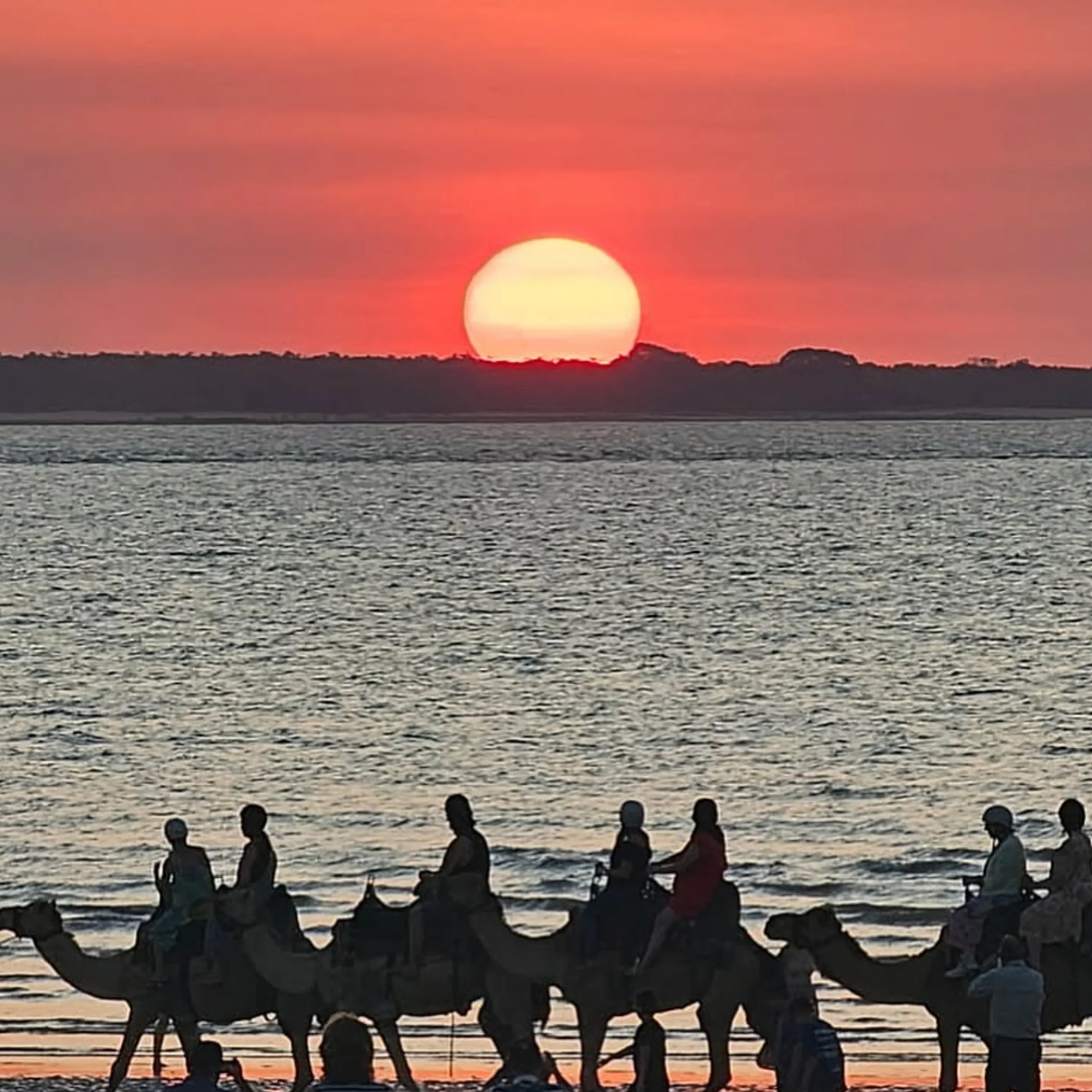
When people put forward the best month to see Darwin they are talking about this period. You can go for a walk or a swim in a safe spot or tour the national parks and watch the sunset without your shirt clinging to you.
It is the most popular time and for good reason, but demand is higher and so are the prices. Leave it too long and the good tours will be full.
The Ups And Downs
Temperatures in the daytime from May to October are in the low 30s in Darwin, with milder overnight lows in June and July. The lack of rain and the drop in humidity is something many do not fully appreciate until they are there.
On the plus side you have safer driving, better camping and no worries about closures at places like Kakadu and Litchfield. On the down side, you will pay for it and in the school holidays some areas are as packed as sardines.
First-timers, families, grey nomads and photographers after easy conditions will find the dry season to their liking. It is the sensible option if you want to avoid the fuss. For a single day in town it is the way to go; you can put together a waterfront and market itinerary and rely on the transport and roads to behave themselves.
Then there is the appeal of the wet.
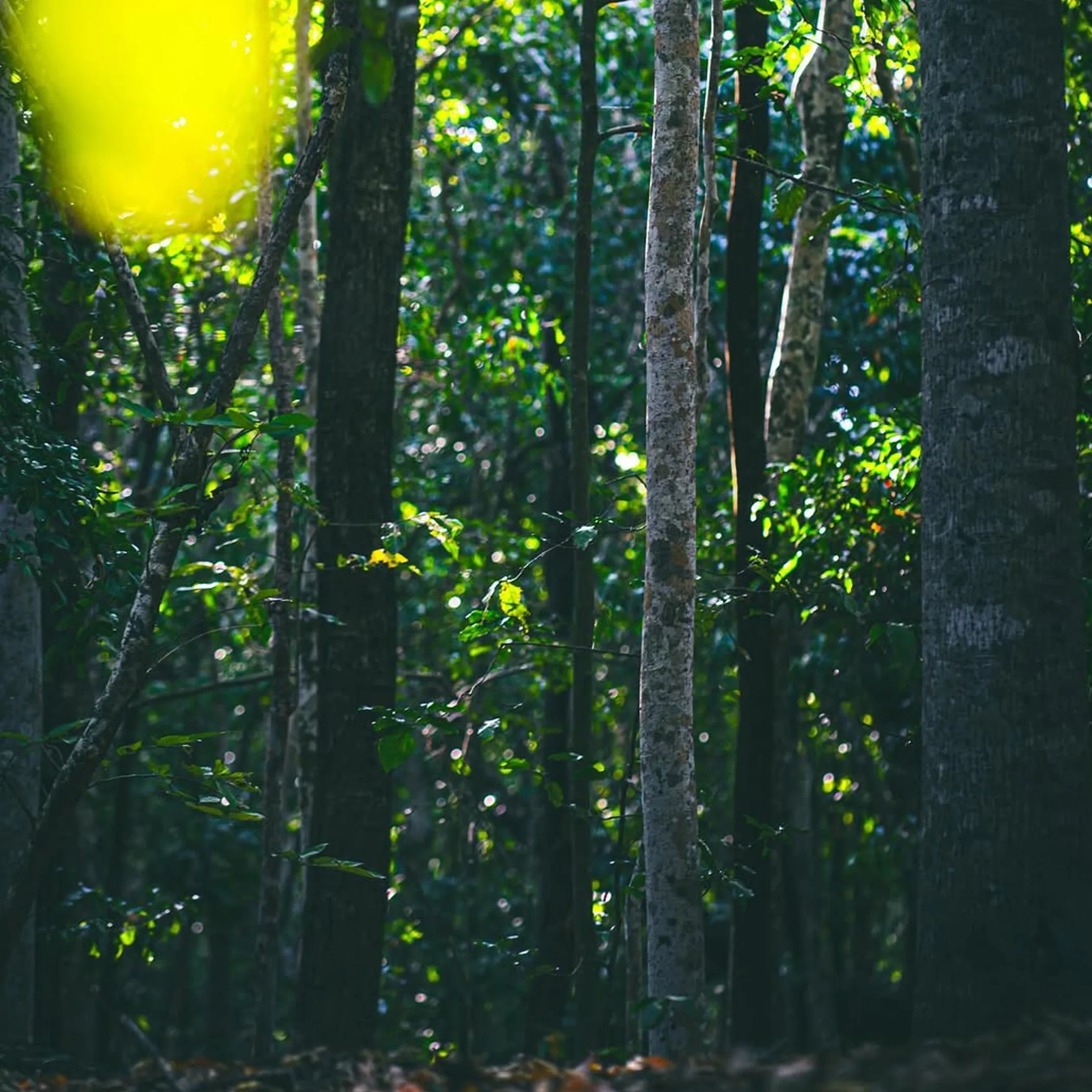
It is not simply bad weather, it is a different animal entirely: greener, louder and on occasions spectacular. There is no mistaking the bush for something baked when it is alive with waterfalls in full flow and lightning that puts on a good show.
Then again, one has to separate what is expected from reality. A traveller may come with notions of thundering falls and deals to be had, only to find high humidity, some attractions not open and an afternoon of rethinking plans in light of flood warnings.
The Wet
Darwin’s 2026 weather will in all likelihood conform to the Top End way of things from November through April: heat, a good deal of humidity and your share of hard rain. The monsoon build-up is particularly sapping; as the locals are wont to point out, you can be made to work just by standing still.
For the seasoned type who does not mind a looser itinerary and is after a photograph of a dramatic sky or better rates at his accommodation, the green season has its merits. Those with a schedule to keep, an eye for a long self-drive or a need to know there is a swimming spot and track access will not find it so accommodating.
Where Most Go Astray
To think it rains every day is the first error. There is plenty of sun to be had, but a storm can be sudden and no joke. Underestimating what is accessible is another. In Darwin itself a place might be open while a walking track or waterfall two hours off is closed, bogged down or simply not safe.
And people will pack for the heat and put little thought to the rain. When it is wet, a spare shirt and quick-dry attire with some grip underfoot are of more consequence than being well turned out, not to mention dry bags.
2026: A Month at a Time
Looking at the temperature figures for Darwin month by month, the real question for planning is not merely “how hot” but how easy it is to get on with what one has come for. The table below is the most straightforward guide. The numbers are general ranges from Bureau of Meteorology data on long-term patterns; do not be surprised if 2026 conditions differ from week to week.
| Month | Typical Conditions | Travel Reality | Good For |
| January | Hot and very humid with heavy rain and storms | Expect some roads and parks to be impacted | Green landscapes, storm watching, lower prices |
| February | Steamy, wet, the odd monsoon period | Self-drives carry a high risk of disruption | Photography, those with flexibility |
| March | Lush, wet and stormy | Waterfalls fine, access is hit and miss | Green season |
| April | Humid, the bush is greener and the rain lets up | Access is on the improve in this shoulder time | Value and waterfalls |
| May | Warm days and drier air | A month to have your balance | Road trips, a bit of wildlife |
| June | Sunny and dry with less in the way of humidity | Peak comfort and access | First-timers |
| July | Reliable weather, mild of an evening | Tends to be busy and not cheap | Day trips, festivals, touring |
| August | Very popular, warm and dry | Book in advance for these excellent conditions | All-round best |
| September | Mostly dry but warming | Heat is on the increase | Late dry travel |
| October | The build-up is underway and it is hotter | You will feel the humidity | Shoulder deals, short visits |
| November | Crowds are down but the humidity and storms are up | Can be draining | Fans of the storm season, budget |
| December | The wet is here | Storm risk and holiday demand in equal measure | Lushness, itineraries left open |
Seasonal Activities
A brochure will not tell you how much timing can alter a trip in Darwin. What is open and easy in July is flooded, slippery or oppressively humid in January. Do not try to contend with the climate, Darwin will have the last word. Align your activities with the season and you are better off.
Dry Season
Your best bet for markets, harbour sunsets, an open-air meal or a cruise for the wildlife. Also the time for road touring, outdoor festivals and any swimming in the designated freshwater areas that is safe to do. On a recent dry spell in the Top End I was struck by how untroubled a long day could be; one can drive and walk and make many a stop without being laid low by the weather before lunch. That is of some import when you have three or four days to fill.
Wet Season
This is where you get the drama in the form of waterfalls and green escarpments and fewer people about. If you prefer atmosphere to any kind of certainty it is quite lovely. But for the novice with a complex self-drive in mind across several parks and a watch on the time, it is not suited. The wet is unforgiving of overconfidence.
Some Tips for Darwin
To save yourself some trouble. Town is simple enough but you will want to put some plan into your Top End touring with regard to the season and distance.
One is apt to put less stock in the distances, or the way the heat will have its way with you and the dearth of shade once you are out of the built-up areas. Then there is the map which has a way of making a day trip appear as flat as a pancake; the conditions tell a different story.
Packing, Health, And Safety
Dry season: light clothing, hat, sunscreen, some swimmers, a good pair of walking shoes, a refillable water bottle and something to put on for the cooler nights in June or July.
Wet season: quick-dry items, a rain jacket, insect repellent for the mozzies, a dry bag, spare socks and shoes that have some grip.
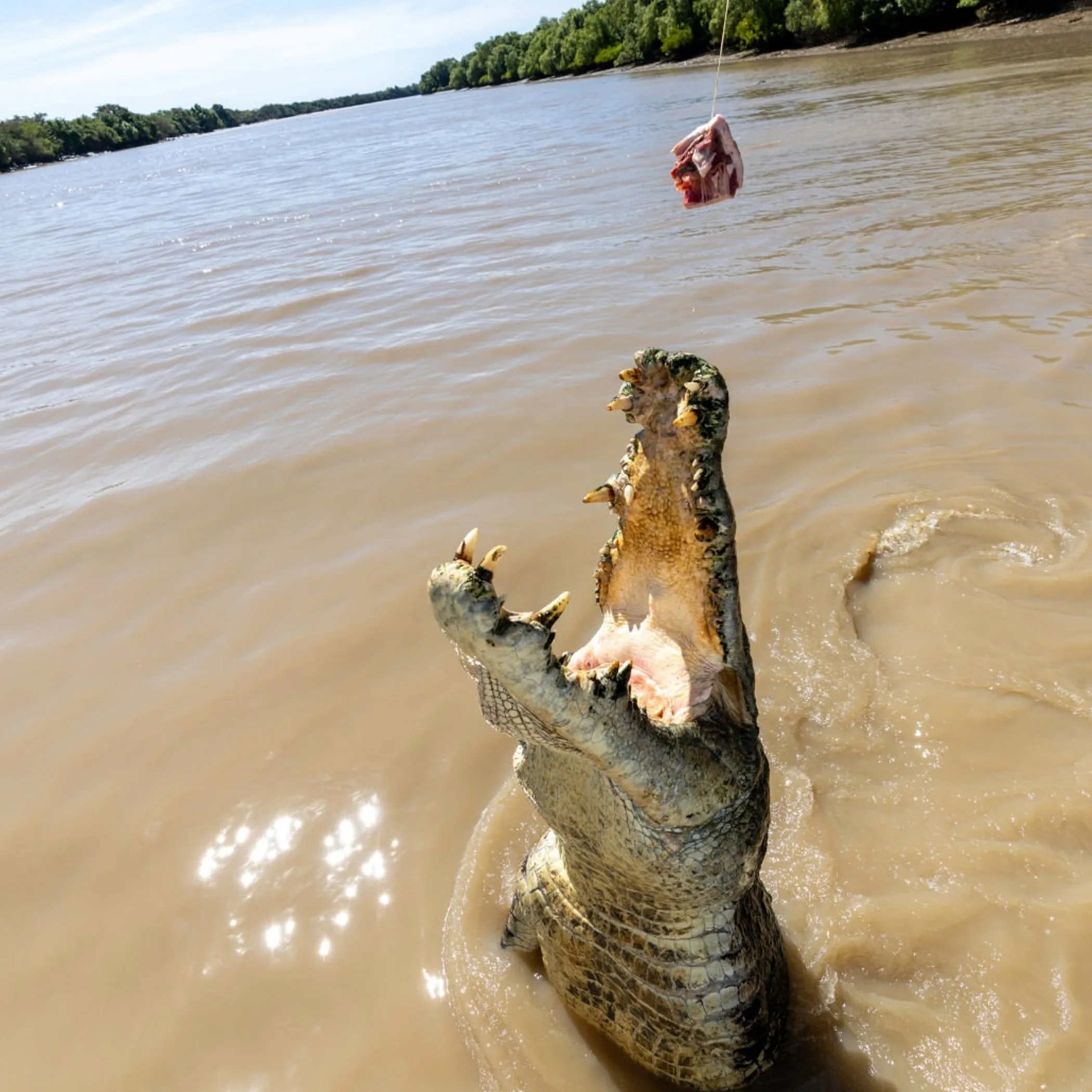
Year-round: be sensible around waterways and crocs, heeding any swimming signs, and take on more water than seems necessary. Do not leave without checking the park and weather alerts.
Heat stress is the one health matter that creeps up on you. In Darwin it is the travellers who fret over crocs and let dehydration go by. Put that in reverse. Should you feel anything amiss, put on the brakes and find some shade and water before you attempt to carry on.
Getting Around Properly
Darwin International Airport is your port of call, with Qantas and other carriers for domestic flights. A hire car comes in handy in town but if you are in the centre it is no necessity. On a day trip to the national parks a car affords you some leeway, then again an organised tour takes the worry out of route changes or seasonal closures.
You will find parking in central Darwin is nothing like what you would encounter in the bigger Australian capitals, though do not expect to hold onto a shaded spot for long. Make an early start for Litchfield or Kakadu. The distances are what they are and the roads can be unforgiving; factor in the walks and a dunny break and your “quick stop” becomes an hour of hard sweating.
Kakadu And Litchfield Timing
They are the main drawcard for most coming to Darwin, these two. But the seasons have a practical bearing on them: whether a road is open or not, if you can swim with impunity or not, an easy drive or a protracted detour. More important than the temperature in the city is this section when you are deciding on your window for side trips.
Kakadu National Park
Kakadu National Park is generally easiest in the dry season, especially from June to September. Roads, lookouts, cultural sites, and cruise operations are more reliable. In the wet, parts of the park can be inaccessible, but the landscape is magnificent if you can travel flexibly and accept route changes.
As for cost, self-drivers need to put aside money for fuel, accommodation (which can get steep in the peak of the dry), meals and any park passes. It is not a case of a casual pop down the road from Darwin. Allow two or three days at the very least if you do not want to make it a windscreen affair.
Litchfield National Park
Litchfield National Park is the easier day trip from Darwin and often the better choice if time is short. In the dry, swimming holes and sealed-road access make it straightforward. In the wet, waterfalls can be more dramatic, but some roads and plunge pools may close for safety.
A first timer would do well to make Litchfield his priority over Kakadu for a single day. It is the more realistic course of action. You will not see such plain speaking in the glossy guides but it is so.
Budget And Crowd Reality
To keep costs down, go in the hotter, wetter months, barring the holiday run-ups. That is not to say you are getting value for money, since the weather will put a crimp in your plans. The dry season commands a premium on everything from your room to your flights and tours on account of the demand. Tourism Australia and Visit the Northern Territory have their reasons for touting the period: it is easier to put on and to partake in.
Where Value Sits
May and September tend to be where many a traveller will find the happy medium. Much of what the dry season has to offer can be had without the kind of mid-winter crowds you see at the height of it. Then there is April, which will suit a traveller put off by neither the odd bit of humidity nor the prospect of softer prices for a more verdant landscape.
For those after a less expensive trip, one should look at the overall cost rather than the room rate alone. The value of a wet-season deal is quickly eroded when major access points are closed or day trips have to be called off. A well made Darwin hidden gems guide is useful in such circumstances to put together some contingencies in town.
Who Should Go When
Honest planning is what is rewarded in Darwin, not the heroic variety; the seasons do not accommodate all travellers equally.
Go in June to August if you want the easiest all-round holiday, especially for a first visit.
Go in May or September if you want a strong balance of weather, access, and slightly better value.
Go in the wet if you are flexible, weather-tolerant, and interested in storms, waterfalls, and the green season mood more than rigid itineraries.
Those with an aversion to the wet should steer clear: if you are sensitive to the humidity, have a self-drive schedule to keep or would be put out by a closure, make other plans. There is no harm in it. Saves you from having to boil the billy under a shelter while you wait for a track to open up.
Final Travel Takeaway
The unadorned answer for 2026 is to make for the dry season, say June to August. It is the surest bet for your outdoor pursuits, road access and general comfort. On the other hand, the wet has its own memorabilities, the city and Top End at their greenest with storm skies overhead and the waterfalls in full flow, as long as one is prepared to be flexible and watch conditions. Both have their merits in Darwin but you do not want to arrive expecting one and find the other.
Should you wish to put in some extra days beyond the waterfront and markets, a good Darwin hidden gems guide will round out the trip with options that hold up even when the weather gets inventive.
Frequently Asked Questions
When Not To Visit Darwin?
You will not find a time that is altogether bad, yet November through February is where most travellers are put to the test with the humidity, the intensity of the storms and the likelihood of access problems. If a set itinerary or the stickiness of the air is not to your liking, do not go then.
What Is The Best Month To Go To Darwin?
July and August are generally the best for most, with dry weather, manageable heat and a lot going on in town along with good access to attractions. One could do worse than May or June.
How Many Days In Darwin Is Enough?
Plan on three to five days for the city and a day trip in the vicinity. But to do Kakadu National Park justice you need to put down at least five to seven days, otherwise it is all too rushed.
What Is The Cheapest Time To Go To Darwin?
Typically the wet season, January to March (when there is not a holiday in demand). Do not mistake the lowest price for the best value though; you may have to contend with the weather, fewer touring options and the like.
Is Darwin Worth Visiting In The Wet Season?
It is, assuming you are flexible and know what you are in for. Some places are not so crowded and the monsoon puts on a show with its dramatic skies and sizeable waterfalls. But if you require your access to be guaranteed or are not at ease making adjustments on the fly, it is better left to others.
