The answer to when is the best time to visit the Great Ocean Road in 2026 is a matter of preference. The majority of travellers will find their ideal window between March and May or September and November; the light is better, you are spared the summer school-holiday circus and the weather is mild. Make it simple and autumn is your all-round bet, though spring has much to recommend it with its fresh greenery, waterfalls and wildflowers.
Then there is the question of doing the Great Ocean Road from Melbourne in 2026 right. One should not put too fine a point on chasing the sun. How you time it will have bearing on whale watching, road safety, the price of accommodation and whether a coastal stop is tranquil or as congested as sardines. You will also be contending with parking at the Twelve Apostles. We have put together this guide to the 2026 season, including trip styles, what to anticipate from the monthly weather and some realistic itineraries so you do not get caught out.
Quick Answer First
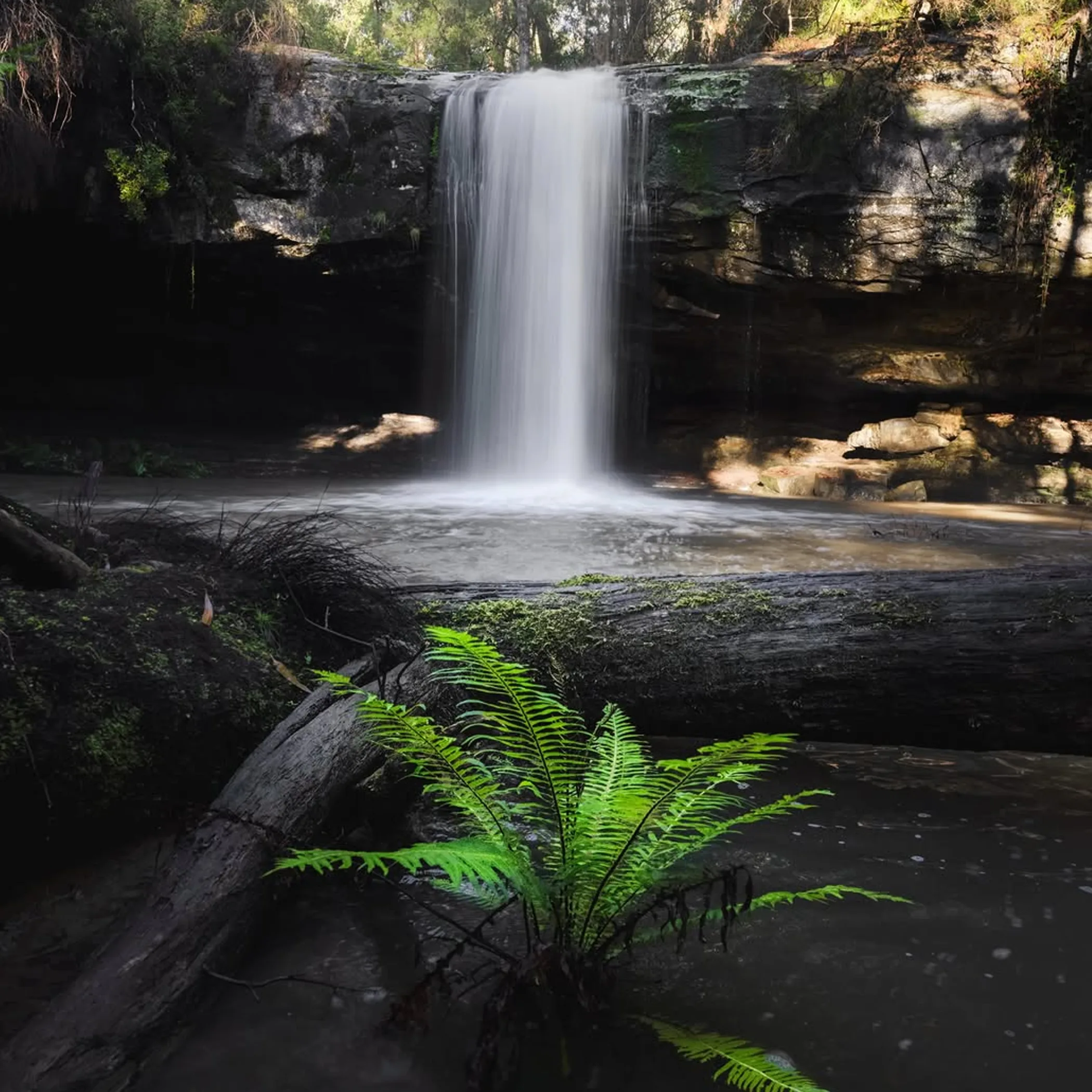
For those who want the short of it, the four best months are March, April, October and November. Most will appreciate the even hand they put on the balance sheet of crowds and driving conditions, and you are more likely to put in an enjoyable stop than spend your time looking for a car park. For Great Ocean Road tour planning, consider these months for a pleasant experience.
January brings the liveliness but also the numbers. Winter is for the moody south coast and whales, if you can put up with the wind and rain that comes with it. It alters the nature of the trip in ways a first-timer might not put in his plan, but it is no deal-breaker.
Best Overall Months
You cannot go past an autumn road-trip, say in March or April, for dependable conditions. The ocean is calmer and cleaner after the storms and you have put the worst of the summer rush behind you.
A good second is spring, October and November in particular. Shoulder season rates are easier on the wallet and the Otways put on a show with the wildflowers; come back from the winter rains and the Great Otway National Park waterfalls are in full flow.
Month By Month Snapshot
Some practicalities for your tour planning. A run down by month will tell you how the trip fits with your budget and whether you are on a coach, camping or behind the wheel.
Do not think of this as a flat-as-a-pancake inland drive. On the open Victorian coastline the weather is fickle. You may have sun in Lorne one minute and a stiff crosswind off Port Campbell the next, with drizzle in Apollo Bay to boot.
| Month | Typical Conditions | Crowds | Relative Costs | Best For |
| January | Bright, warm to hot, bushfire risk on bad days | Very high | High | For the beach and atmosphere |
| February | Summer lingers, warm and settled | High | High | Coastal towns, swimming |
| March | Good visibility, drier and mild | Moderate | Moderate | Self-drive |
| April | Walking is pleasant, stable and cooler | Moderate | Moderate | Road-trippers, couples |
| May | Fewer about, cooler and variable | Low to moderate | Moderate | To get away quietly |
| June | Exposed lookouts are windy, cold and wet | Low | Lower | A moody coast, start of whale season |
| July | Cold, strong fronts and winter rain | Low | Lower | Whale watching Great Ocean Road 2026 |
| August | Green and dramatic seas, still cold but good for whales | Low | Lower | Wildlife |
| September | Spring growth, fresh and changeable | Moderate | Moderate | Shoulder season |
| October | Blooming in the Otways, greener and mild | Moderate | Moderate | Wildflowers |
| November | Long days and touring weather, mild to warm | Moderate to high | Moderate to high | Hiking, photos |
| December | School holidays make for warmer, busier times | High | High | An early summer outing |
For official word on Victoria’s coastal conditions and any warnings, the Bureau of Meteorology is where to go: Bureau of Meteorology Victoria forecasts and warnings.
Why Timing Changes Everything
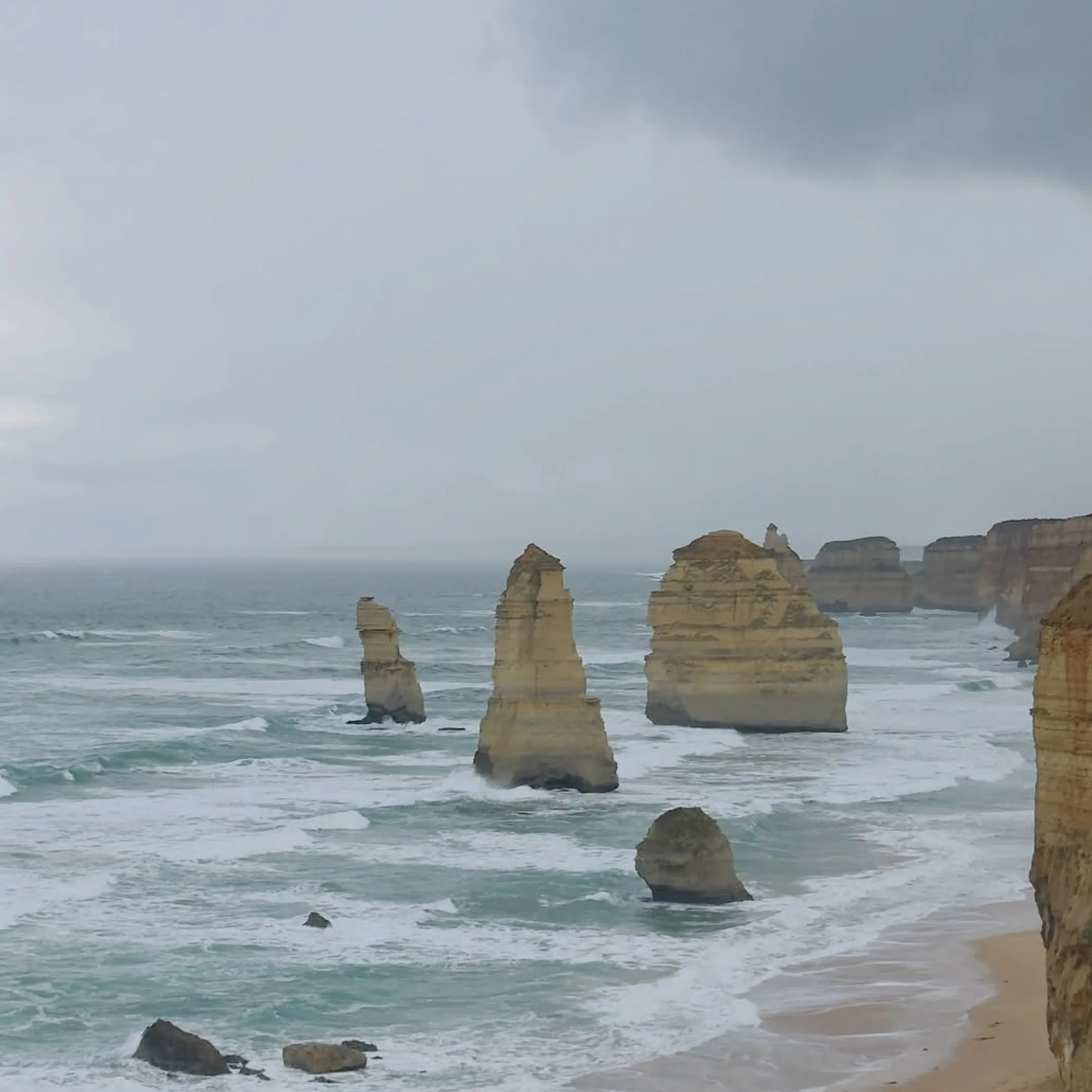
One would be hard pressed to call the Great Ocean Road a mere scenic strip to be driven and put to one side. In fact, timing is everything, from the quality of a sunset to how safe the going is in heavy rain and the wait for a table.
It is a mistake to think it is all about the miles. Between the photo ops and the coaches and slow stretches, the map does not convey the time you will lose to the crowds and parking at the Twelve Apostles.
Expectation Vs Reality
What one envisions is a seamless day out of Melbourne with all the important stops put in their place. In reality, an attempt to see Bells Beach, Lorne, Apollo Bay, Great Otway National Park, Loch Ard Gorge and London Arch before making it to the Twelve Apostles for sunset will have you jogging to the lookouts as much as staring at your watch.
I was guilty of the rookie error of not leaving Melbourne early enough on my first long excursion that way. I found the car parks chock full and lunch queues interminable by the time I got to the more popular stretches; what should have been a quick stop would run to twenty minutes. The road is meant to be taken in your own time, but many do not get that and make a mess of it.
Best Months By Travel Style
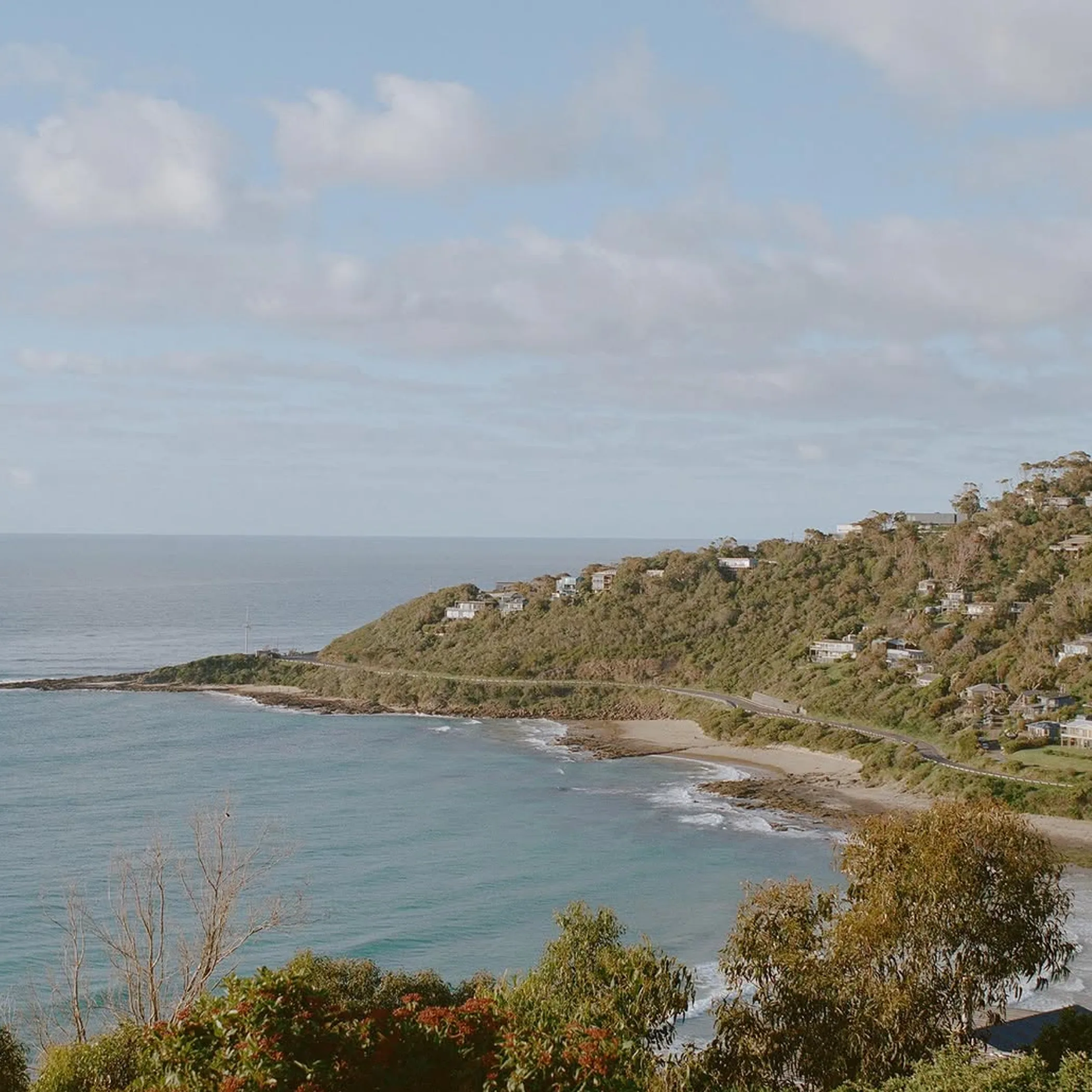
There is no one best time. A couple self-driving, a family in a campervan or a party putting in a booking for a 2026 guided tour of the Great Ocean Road will each find their own ideal window. Determine how you like to travel and the season will follow, which goes some way to avoiding the expense and the quiet muttering at a roadside pull-out.
Self Drive Trips
The likes of March and April, October and November are preferred for any self-drive plans on the Great Ocean Road in 2026. One has more room to manoeuvre at the lookouts and for a short walk, less town stress and is not so often stuck in slow traffic with no chance of passing. An independent traveller can put in a stop at Lorne or Port Campbell when he or she pleases. Not so good if you are a nervous driver in wet conditions on the open coast or through the forest.
Campervan Travel
Whether to take a campervan or a tour is more than a question of budget. It comes down to parking, access, where you can put up for the night and whether you are comfortable with the crowds and narrow roads come the change in weather.
The shoulder seasons of autumn and spring are when a campervan is at its most useful. Summer is hard going as holiday parks are snapped up and parking in town is a bother. Winter has its quiet moments but unless you are made of sterner stuff the cold nights and damp will tell on you.
Guided Day Tours
For those who do not want to put in the driving on a return trip from Melbourne and have only the one day, a 2026 guided tour of the Great Ocean Road is the way to go to see the highlights. You will cover ground but there is little time to linger, which is the price you pay. And in the height of summer the big-group dynamic can be as exhausting as it is entertaining.
Season By Season Guide
You could say the Great Ocean Road takes on a different character with the seasons. Some come for the beach, others for the whale spouts and storms, some for a clear run and a decent cup of coffee without the traffic. There is no season to suit all, only the one that fits your priorities.
Summer Conditions
Longer days, warmer climes and time on the beaches of Lorne and Apollo Bay are what you get in summer. Being peak season, accommodation will cost more and the better lookouts will be crowded from early on, particularly over a school holiday or long weekend. Then there is the matter of heat and fatigue and bushfire risk; on a day of severe fire danger the situation can alter in a hurry and you may have to revise your route. Get in early from Melbourne and plan for the heavier traffic around Bells Beach.
Autumn Sweet Spot
Most will find autumn to be the sweet spot. The air and water are still agreeable but none of the summer frenzy, so you can put in a visit to London Arch or Loch Ard Gorge without the jostling. The coastal drive is more of a pleasure, the light is softer and the towns more sedate, allowing for a proper lunch rather than a hasty pie from the servo.
Winter Trade Offs
If you are after mood and a bit of solitude, winter delivers: the swells are bigger, the skies darker and you have a good chance of seeing whales migrate along the southern coast. A beanie and some sideways rain are part of the deal. But for a family wanting to be on the beach or a driver not used to the south coast, it is not the easiest time of year. The wind and rain will make the exposed lookouts feel very cold and underfoot the walks are slippery.
Spring Fresh Start
For the likes of waterfalls, fresh air and wildlife, not to mention a more verdant landscape, spring is hard to beat. Then there are the seasonal pleasures such as the wildflowers in the Otways; one of the finest you will find. And put down some winter rain and Great Otway National Park is at its very best.
But do not be fooled by a tidy forecast in Melbourne into thinking the sun will be out. The weather has a mind of its own, so come prepared with layers for what can be four seasons in a day.
Wildlife And Seasonal Highlights
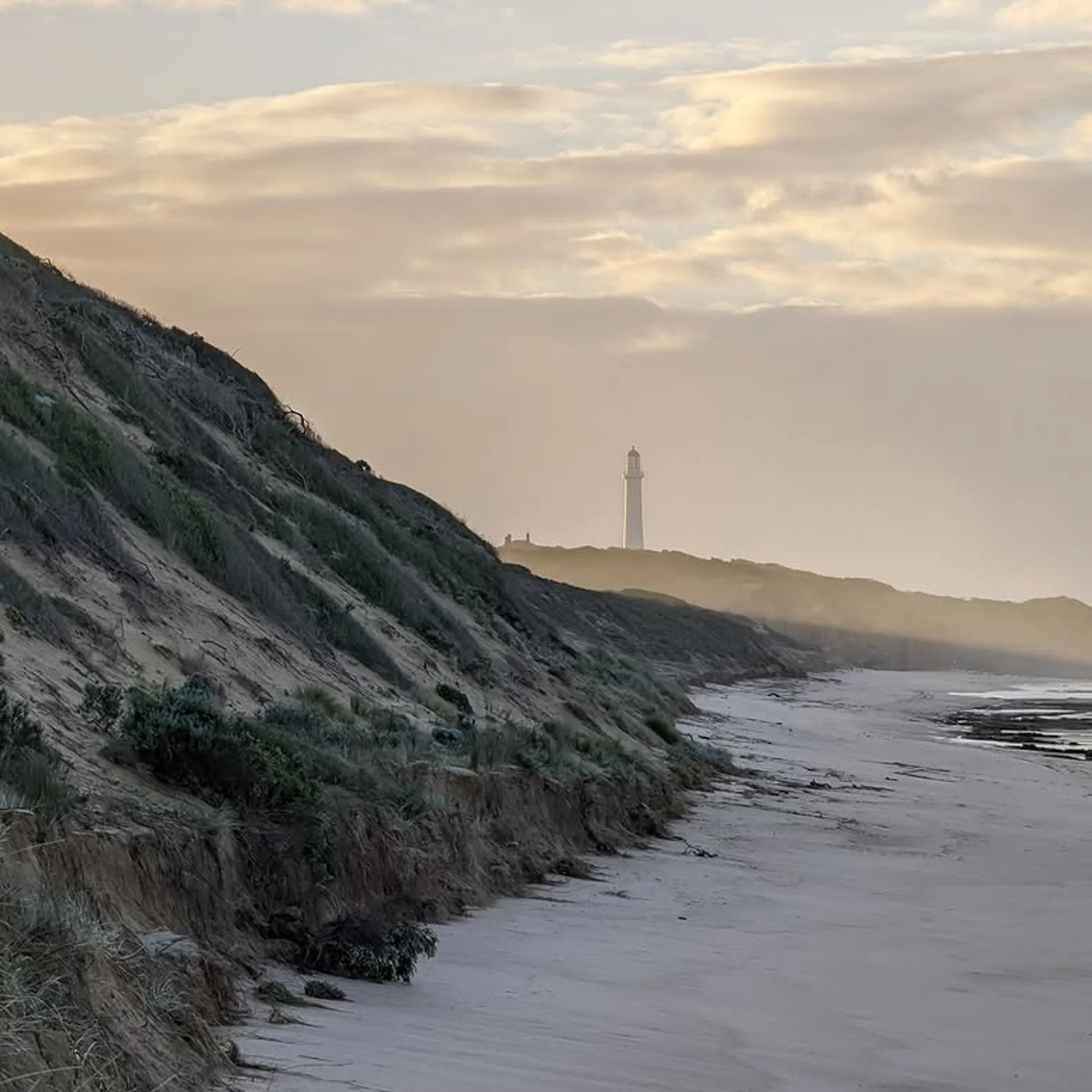
There is more to the road than surf and cliffs. A well timed visit will put whales and birdlife on your itinerary along with local events and wildflowers, elevating it from a mere box-ticking exercise. In that sense seasonality is a practical matter. Go when you should and the trip is all the better for it without the need for extra miles.
Whales And Coastline Drama
The time to be whale watching Great Ocean Road 2026 is winter to early spring, when humpbacks and southern rights are to be found in greater numbers off the coast. Warrnambool is something of a mecca for such activity if you venture beyond the main road, but no one can put a guarantee on sightings. Make it a point to put in two nights rather than a hurried excursion from Melbourne if you are set on seeing them. You may need a second morning to make the most of a good weather window.
Wildflowers And Forest Walks
Spring sees the wildflower season in full swing in the Otways and the tracks about the place come back to life after the winter damp. It is also when the fern gullies and short walks have some substance to them instead of being as flat or dusty as they will be in summer. For those who have an eye for the inland forest as well as the coast this is the time to go. Chasing nothing but the Apostles is to miss the whole of it.
Events Worth Noting
Some parts of the route will see their share of traffic and accommodation thin out during the Great Ocean Road Running Festival. Should your plans coincide with an event weekend then book in advance and factor in some time for the towns and access points. Many a traveller has been caught out by such things and left with nothing but the worst of rooms.
Trip Lengths That Work
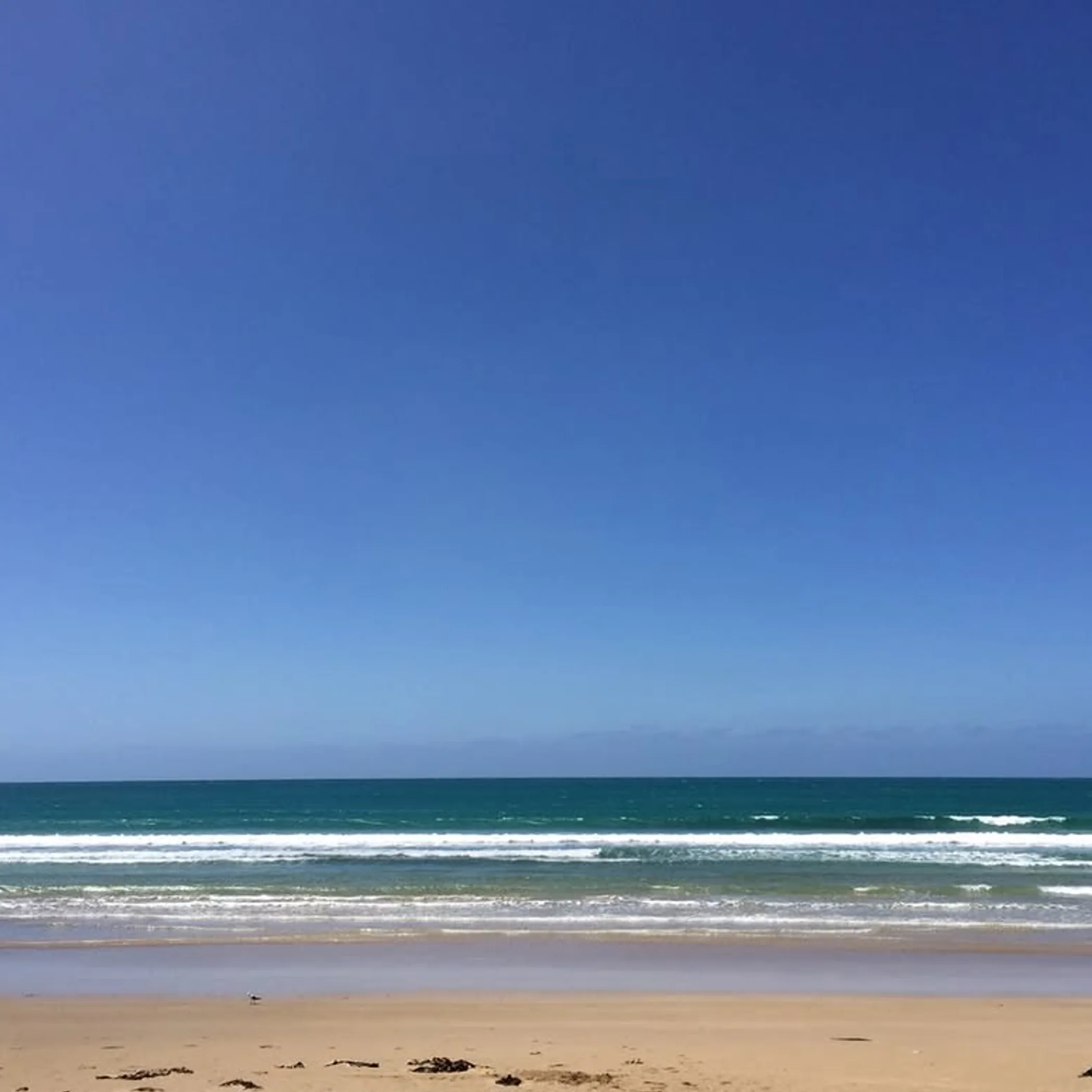
How many days for the Great Ocean Road? First timers tend to under estimate. You can put in a quick day but the road is more rewarding with some breathing room. To see the finest bits and not be worn out, an overnight is called for. Two or three is preferable.
One Day Plan
You can put together a one-day run from Melbourne in 2026 but it will be long. Allow 12 to 14 hours to make it to the Twelve Apostles and return with a few stops, barring traffic. With a single day it is better to concentrate on the eastern side to Apollo Bay or put in the western landmarks such as Port Campbell and Loch Ard Gorge with less of an intermediate schedule. Anything else is an invitation to be cranky on the way home.
Three Day Pace
Most will find three days the right amount. Start with Lorne and Bells Beach on the way to Apollo Bay. Use the second day for the national park and Port Campbell. On day three you can have the morning to yourself at the London Arch or the Apostles before heading back. It is a good compromise for a couple or family wanting the coast without making an ordeal of it.
Five To Seven Days
This is for the photographer or walker who does not want to be content with a view from the car. It allows for a detour into the forest or a meal in a small town and the odd change of plan should the weather dictate. A solid way to travel in the spring or winter.
Where To Base Yourself
Where you put up for the night is as consequential as the season. While Melbourne is handy, to stay on the road is to avoid the rush. It is a question of whether you are after the limestone coast to the west or a central spot with beaches.
| Base | Best For | Practical Notes |
| Melbourne | Good for a quick day trip. | A same-day return will be tiring when you are short on time. |
| Lorne | Short breaks and the beach town vibe. | Handy as a first-night stop, if a little busy in summer. |
| Apollo Bay | A well rounded coastal base. | You will find good food and easy access to the beach and any Otways excursions. |
| Port Campbell | The Twelve Apostles and shipwreck coast. | Less driving about the main sights, ideal for sunrise and sunset. |
There is no better time to put in an appearance at Apollo Bay than autumn or spring for a more sedate stay and weather that is conducive to touring. The same applies to Port Campbell, although one can have a brilliant time of it in winter with some dramatic seas, provided the cold is not an issue.
Bookings Costs And Safety
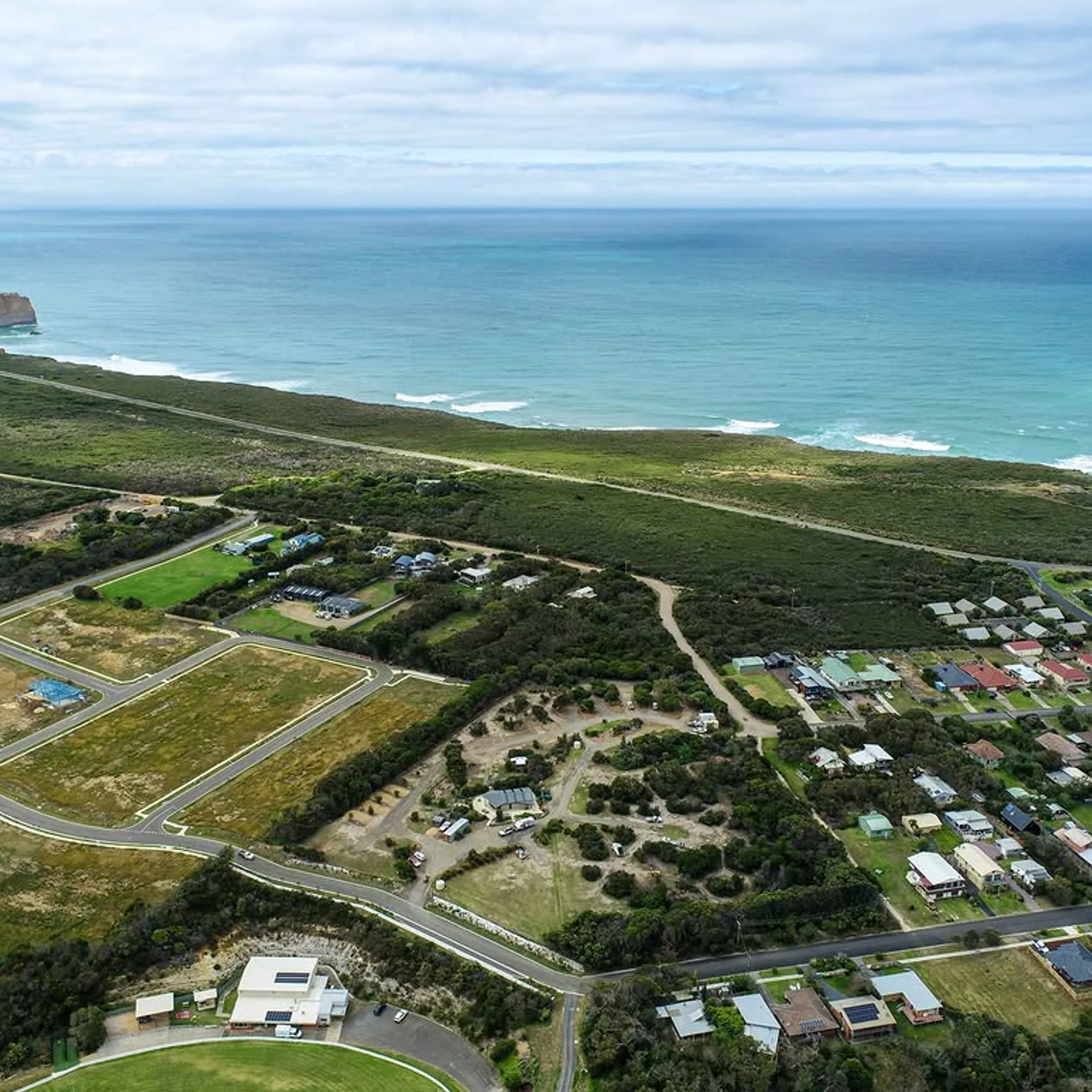
Glossy inspiration has its place but practicalities such as where you are staying, the state of the roads and the weather are what will determine the success of a trip, in peak season on the Great Ocean Road all the more so.
With 2026 plans in mind, expect to pay more over holiday weekends and the summer months; the rates are more competitive in winter away from events. Do not take the figures below as set in stone, they are to be taken as rough guides as room type and town will see prices differ.
What To Book Early
Any tips for 2026 accommodation on the Great Ocean Road would be to get your summer and event weekend stays sorted as soon as you can. Demand is high and you will find even the mid-range in Lorne, Apollo Bay and Port Campbell can be gone before the date arrives.
Budget motel, hostel or cabin: AUD 120-220 a night in the off season, more in summer
Mid-range hotel/apartment: in the region of AUD 220-380 per night
Campervan/holiday park: AUD 45-90 per night depending on the season
A casual lunch or cafe breakfast: around AUD 20-35 each
Driving And Access Tips
One does not need to face any real danger on the coastal drive to run into trouble; more often it is a case of underestimating the distance and making too many stops, leaving you to put in a late return when you are knackered. Rain and poor light will also alter conditions in a hurry.
Those behind the wheel should not make the mistake of thinking parking will be easy at every turn. Put fuel in the tank before the more remote parts and do not put yourself in a rush to see the sunset on a road you do not know. An early or late afternoon is preferable to the middle of the day at the Twelve Apostles and other favoured lookouts.
Simple Planning Checklist
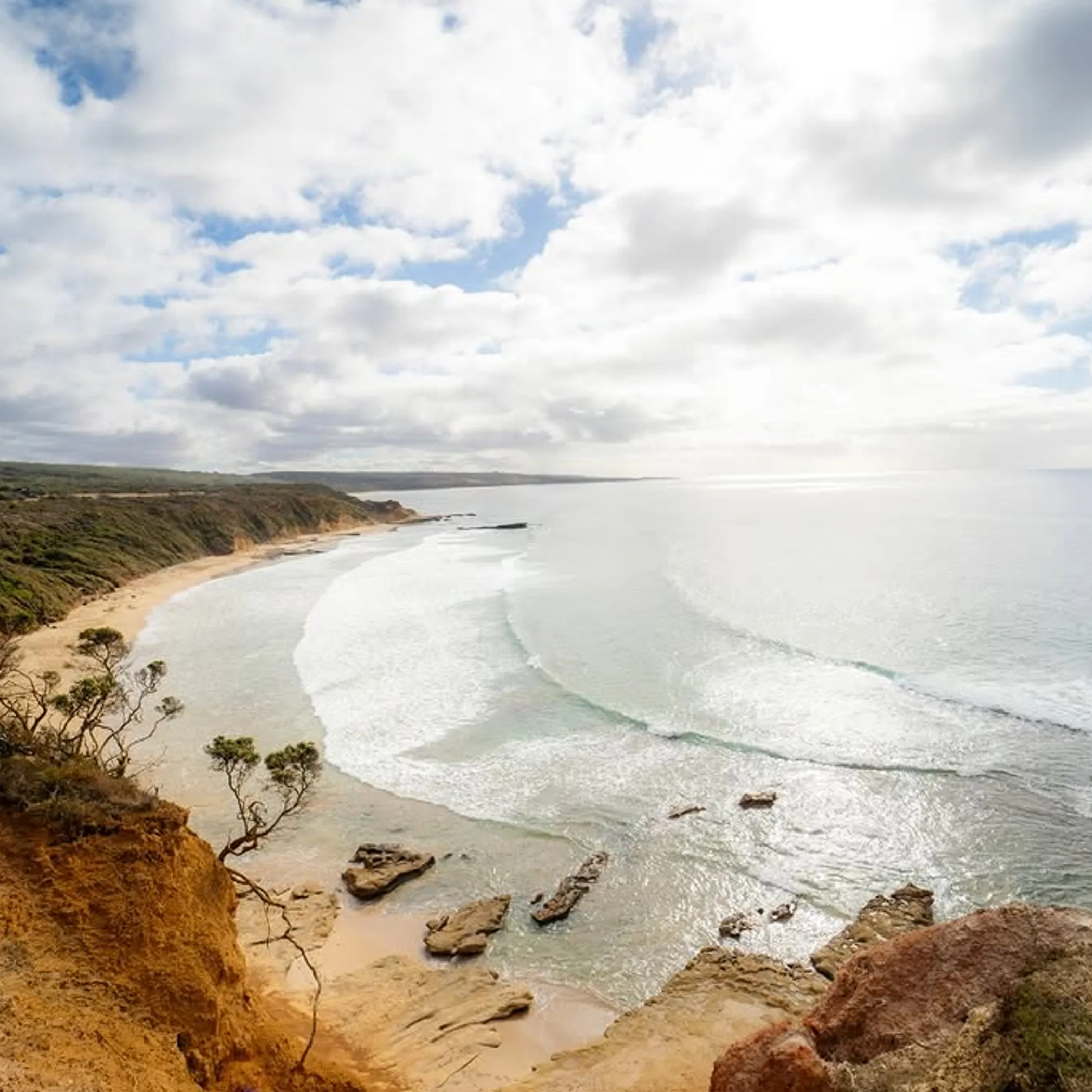
To ensure things go without a hitch, plan accordingly. Pick the season, how long you will be there, your overnight base and which stops are non-negotiable. It may seem elementary but it precludes the error of putting together an enormous itinerary and then discovering the month does not suit.
Autumn or spring for conditions
Three days to make it an enjoyable rather than hasty affair
An overnight in Apollo Bay or Port Campbell as opposed to a Melbourne day trip
Early booking for the school holidays and summer
Spare some time for the weather, lookouts and traffic
Have a last word with the forecasts and road warnings before you set off
FAQ
When it comes to the nitty-gritty of tour planning for the Great Ocean Road these are the questions most commonly put. The answers are straightforward and meant to inform your decisions.
Which Month Is The Best To Visit The Great Ocean Road?
For many it is March, an all-round favourite, with April, October and November not far off. You get milder weather and better light without the summer crowds and the hassle of finding a parking spot.
How Many Days Are Needed For The Great Ocean Road?
Most will want three. One can do it in a day but it is hard work. Five to seven is better if you are inclined to putter about with a camera or hike and want to be flexible with the weather.
What Is The Most Beautiful Section Of The Great Ocean Road?
A matter of taste but the area around Port Campbell with the London Arch, Loch Ard Gorge and the Twelve Apostles is as dramatic as it gets. Hard to top the coast and forest between Apollo Bay and the Otways.
What Is An Ideal Itinerary For A Great Ocean Road Trip?
Make it three days and you will not be racing the clock. Day one from Melbourne to Lorne or Apollo Bay, the Otways and on to Port Campbell on day two and the limestone-coast highlights before you head back on the third.
Is Winter A Bad Time To Go?
Not at all. If you prefer atmosphere to having the beach to yourself, winter is fine for whale watching and scenery. It is just windier and wetter.
Final Travel Takeaway
For the best of Great Ocean Road in 2026, autumn is the way to go for a trip that is dependable in every respect. Spring has its merits with the wildflowers and greenery and is good value being shoulder season. One can put up with the crowds for the beach atmosphere in summer; or in winter, the roads are quieter and the coastlines have a moodiness to them, not to mention the whales, so it is well suited to the traveller in search of those things.
But there is no point in looking for an ideal date that does not exist. What matters is to be realistic and make sure you have time on your side, and above all let the season fit how you like to travel. Then the Great Ocean Road ceases to be a matter of ticking off a list in a hurry and becomes what it should be: a road trip in Victoria of real reward.
