To make sense of moss growth patterns in an Australian climate one has only to track the moisture. For the most part moss is found on a roof that is cool and shaded and can remain so for the time it takes to put down roots. You will see it on a wet hillside in Tasmania or a Brisbane roof in the shade, and on a home by the coast at Wollongong, though each case has its own cause.
Put simply, where there is a lot of rain and humidity and not much sun, and the roof is porous or has seen better days, you will have the strongest moss growth in Australia. These are key climate influences on roof moss. The risk is greater in tropical or temperate and cool zones than in the dry inland, but then again a leaky valley or a wall in the shade can turn any spot into a small wetland. Gideon Bennett has put together this guide to set out how it works in practical terms.
The Climate First
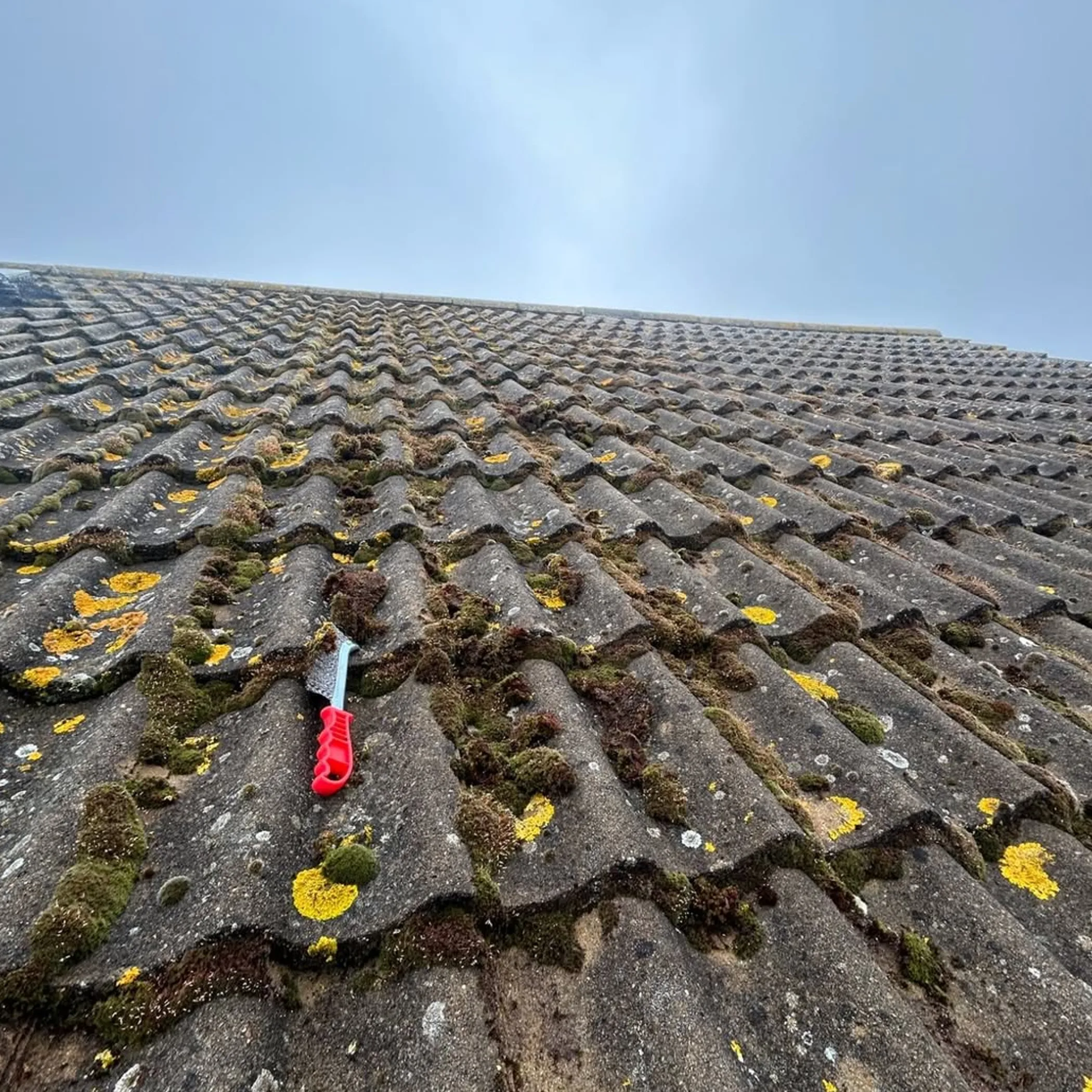
It is the climate that dictates the general state of play, but the property itself makes up its mind as to whether moss will be at ease. A roof behind some trees in an otherwise dry town will act like a damp one from the south; a postcode is not the whole picture.
For official figures the Bureau of Meteorology’s Australian climate data and information service is the source. Their data will account for the marked contrast in temperature, rainfall and seasons between Darwin and Hobart, Perth and Canberra.
Where Moisture Counts
A tropical rainforest is not required for moss, just repeated dampness and the time to let it be. Be it dew in the morning, condensation after nightfall, a light shower or an overabundant gutter, these things will leave the roof wet when the rest of the weather has dried up. Dripping air-conditioning pipes and thick tree cover do the same.
Temperature is a factor, but seldom the only one. Hot weather will put the brakes on moss or dry it out, whereas mildness keeps it going. Yet a large gum tree can cast enough shade on a hot roof to allow moss to take hold in a gutter or on the building’s southern face.
Reading The Climate Zones
Köppen classification puts Australia into handy categories such as arid, Mediterranean, temperate and subtropical. They are good for gauging moisture but no substitute for looking at the roof. In the same suburb two properties can be worlds apart in terms of moss risk if one is open to the winter sun and the other is under a canopy.
One should look at seasonal rather than annual rainfall averages. A dry locale with a hard wet season may see an outbreak of moss and algae, a cooler area with steady rain will have it year round.
Tropical Climates

There is ample warmth and shade in the tropics and sub-tropics. After the wet season in these parts you are as likely to have problems with lichen and organic matter as with roof moss.
The wet and dry is very evident in the Top End of the Northern Territory, north Western Australia and North Queensland. The dry season will show up poor maintenance and what dirt and spores are left over, while the wet brings on fast growth.
When the Wet Season Comes
Heavy rain for months on end in the tropics means the tiles in the shade and the valleys and gutters of a roof will be damp for a long while. Come the return of the rain, green growth can appear in a hurry on a roof that was clean through the dry.
Gutters in particular need attention. Blockages put leaf litter right up against the edge of the roof making for a line of unrelenting moisture. On a metal roof the damp debris is liable to corrode fixings and overlaps; on concrete or terracotta it can get into the texture and give moss something to hold on to.
Then there are the cyclones in the north from November to April. Severe weather is no time to be on a wet roof. Make sure loose gear is put away and ladders are clear of power lines. If the roof is steep or covered in something slippery, call in a professional.
Humidity Will Keep Things Damp
In a humid climate moss does well because it dries out slowly. Even with moderate rain a shaded surface and warm air will see to it the roof stays damp. Exposed ridges will be drier than the southern side or the space under a solar panel or tall fence.
The thing is, people do not always distinguish between the rain and how long it takes to dry. A glance at the week’s rainfall is enough for some homeowners to conclude that a dry spell has put an end to the matter. Yet a roof subjected to passing showers and heavy dew with not much in the way of direct sun can be hospitable to growth, rain gauge or not.
Cool And Temperate Regions
One will find persistent moss in the temperate climes of Victoria, New South Wales, Tasmania and the Australian Capital Territory where regular moisture and coolness are the order of the day. It may not put on as much growth as in the tropics but it is more long lived since the roof is slow to dry out.
Local conditions are key, as Hobart, the Dandenong Ranges and the Blue Mountains make plain, or the higher ground of Canberra. A roof can have moss on it from winter shade, cold mornings and leaves even if the country around does not seem unduly wet.
Winter Growth Persists
Through autumn and into early spring moss tends to make itself known in cooler parts of the country. At first it is nothing to write home about; a thin green film on the tile overlaps will thicken in the presence of dust and leaves.
Frost might put the brakes on it but you do not need snow. Repeatedly damp mornings and what little sun there is in winter are sufficient. A roof with its back to the midday sun will hold its moisture for hours after everything else has dried off.
I can speak from experience of living and working in Tasmania: it was never the rainfall that came as a surprise so much as the effect of a bit of debris on the roof. A valley full of leaves would remain damp while the rest of the tiles were dry. Broad climate descriptions do not account for such things.
Cold Does Not Mean Clean
Some think cold weather puts an end to moss. An established patch may be less active but it will survive and start up again when the light and moisture are right.
There is also the question of cleaning. Wet moss underfoot on the tiles is a slip hazard and older tiles can be ruined by pressure washing, which has a way of driving water under laps or removing the finish. It is better to have a methodical approach than to set about the roof with the zeal of one who has just acquired a pressure washer.
Mediterranean And Dry Areas
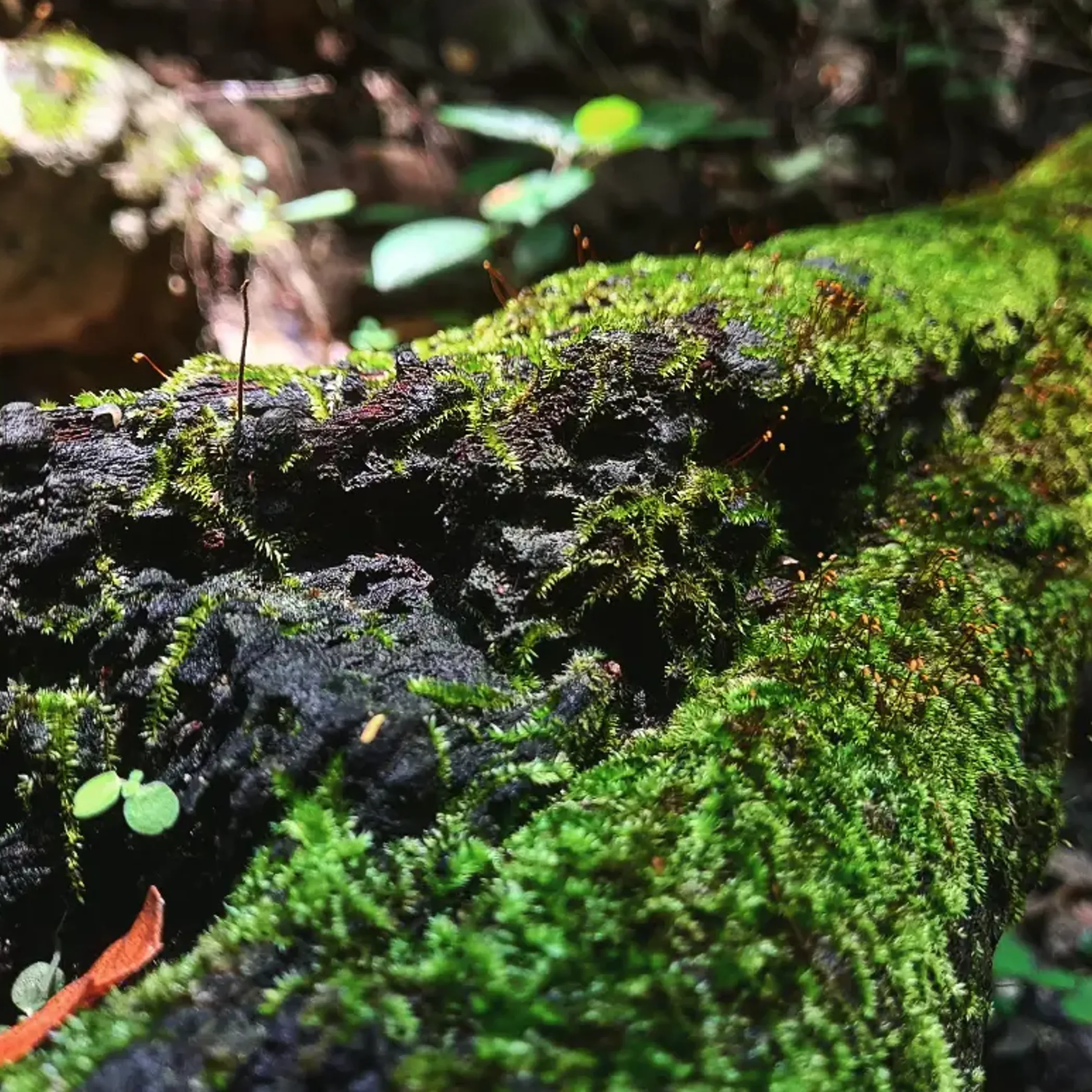
The Mediterranean and drier climates of south-western Western Australia, most of South Australia and sections of Victoria present a lower risk on an exposed roof for the most part. But localised growth can come from coastal humidity, shade or the winter rains.
Take Perth. In the heat of summer many roofs are quick to dry, but those in the shade of trees or close to the coast can be left damp in winter. You will see the same in Adelaide and southern Western Australia when the cool months bring their share of rain.
Winter Rain Drives Growth
In a Mediterranean climate moss is more apt to be driven by the wet of winter than to grow at an even rate. Summer will see a clear roof, then a few weeks of cool rain and there are green patches.
It is not unheard of in arid regions either. While Alice Springs, the Pilbara or inland South Australia do not offer the kind of surface moisture for broad moss growth, a leaky pipe or evaporative cooler in the shade of a roof can make for a high risk spot. Or a parapet that does not drain well.
Then there is the reality of a dry climate. It is no excuse for zero maintenance. Before the moss gets a foothold one is more likely to contend with lichen, rust, algae or clogged drainage.
Rainfall And Humidity Effects
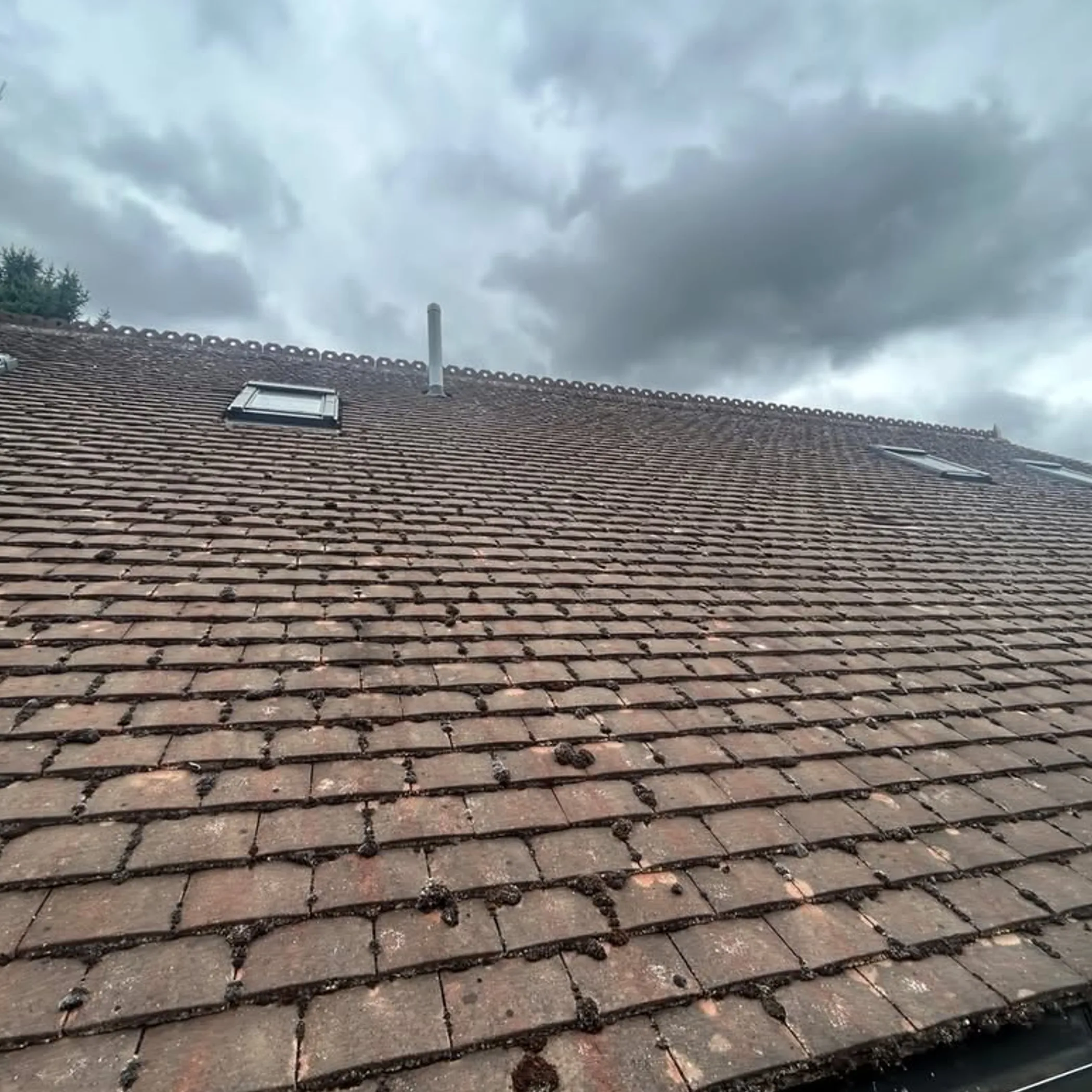
What the rain provides in water, humidity dictates how fast it goes. The two in concert determine if moss is a storm phenomenon or a permanent feature of the roof.
Risk in Australia is higher when the surface is not given time to dry between wetting events. A single downpour is not the issue. A roof that remains damp after a light shower overnight is more vulnerable than one that is dry in an hour.
Read The Drying Pattern
Southern and eastern planes of the roof, areas under overhangs, by chimneys and skylights are where to look for dampness. See if the gutters are overflowing and where the downpipes are discharging.
An inspection record will tell you. Make a note of the side of the roof, the weather, any shade or vegetation and the feel of the growth. Lichen is a hard crust and algae a slippery film, moss for the most part is soft and fibrous.
The indicative risk bands in the table that follows are for comparison purposes. Think of it as a planning aid; it is not to be taken as a hard and fast probability or in lieu of your local weather data.
| Region | Typical climate pattern | Common moss risk | Main trigger |
|---|---|---|---|
| Top End and northern Queensland | Tropical wet and dry | Moderate to high | The humidity and moisture of the wet season |
| Coastal New South Wales and Queensland | Humid coastal | Moderate to high | Rainfall, salt air, shade and slow drying |
| Victoria, Tasmania and elevated New South Wales | Temperate/cool | Moderate | A lack of sun, winter damp and dew |
| South-west Western Australia and southern South Australia | Mediterranean | Low to moderate | Coastal shade and cool-season rain |
| Red Centre, Pilbara and inland South Australia | Arid or semi-arid | Low overall with some localised high risk | Poor drainage, leaks and shade |
Shade Orientation And Materials
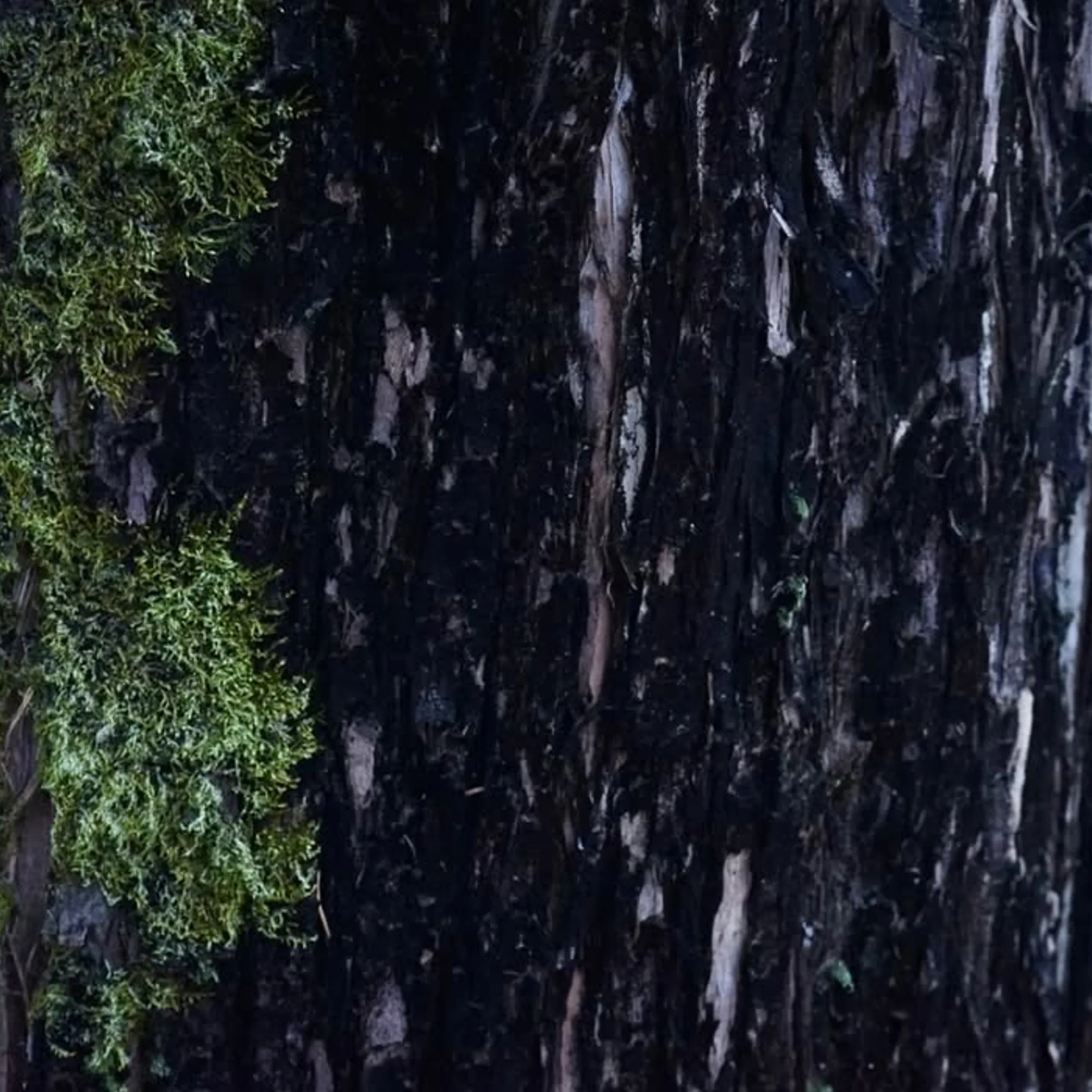
While the climate presents the conditions, it is the design of the roof that determines where moss will put down roots. A change in material, ventilation, orientation or shade can make all the difference over a matter of metres.
In southern Australia north-facing surfaces are apt to get more of the sun than those to the south which tend to be slower to dry. This is only a rough guide though; a tall building or tree, or an adjoining roof, can upset the order of things.
Why Roof Materials Matter
With concrete or old terracotta tiles one will find their texture holds on to dirt and moisture. Exposed corrugated metal dries in a hurry but you may see moss form at the joins, around fasteners, on roof penetrations or where debris has been caught. On a painted metal roof algae or lichen might precede the moss; any surface wear or a compromised coating from age will let more organic matter adhere. Then there are solar panels which can leave a shaded strip for leaves and moisture to pool in if the clearance underneath is not sufficient.
Inspect Without Taking Risks
When the pitch is steep, the surface is underfoot or a ladder is called for, inspecting a roof is no job for a novice. From the ground, binoculars will do. Should you require something from roof level, have a contractor who has the right fall protection come in.
There is no need to set foot on wet metal, mossy tiles, fragile translucent sheeting or anything a recent storm has seen to. Stay away from power lines overhead and do not be fooled by a surface that appears to be dry. A broken ankle is far more expensive and troublesome to account for at the dunny door than roof maintenance would have been.
Regional Prevention And Maintenance
Any strategy for keeping moss at bay in Australia is most effective when suited to the climate of the area. One does not set out to sterilise a roof for good, rather to stave off extended dampness and nip small issues in the bud before they have a chance to run, and to deny the moss its food.
It is well to consider roof checks part of the seasonal routine for property managers, landlords and homeowners alike. Time it for before the region’s principal wet spell; halfway through it the going is slippery and all the contractors are tied up.
A Checklist for the Roof
- Remove any organic debris and leaves from the edges, valleys and gutters.
- An arborist should be on hand to trim large or unsound trees that cast a permanent shade.
- Look for leaks or moisture being held in and around the skylights, vents, downpipes, flashing and the periphery of solar panels.
- Put a camera to early growth for later comparison with the same spot once the wet season is done.
- If the tiles are of a fragile nature, the pitch too much or the growth extensive, call in the professionals to clean it.
Make Allowances for Local Conditions
In northern Queensland and the Top End an inspection is in order ahead of the wet season and following any sizeable storms. Autumn maintenance in Tasmania, Victoria and the higher reaches of New South Wales will help to prevent a winter build-up. In Mediterranean climes one should have a look at the roof ahead of the winter rains. As for arid country, do not be under the impression that moss is out of the question; attend to any leaks, dust build-up or shaded drainage.
When time is of the essence and you are limited to a day, make the roof edges, valleys, gutters and any shaded parts in plain view from the ground your first order of business. They will give more of an indication than a cursory view of the ridge tiles. And put in some extra time after a rain, an inspection of the roof is no place for a slippery obstacle course.
On the logistics front, keep ladders on firm footing, stay off wet grass in the vicinity of electrical gear, park well away from downpipes and driveways and heed local weather warnings. A rural property call-out means taking along a charged phone, water and sun protection as well as someone who knows your whereabouts. You do not want to be on the Stuart Highway or Gibb River Road, or some remote bush track, to find the ute has a single good tyre and there is no reception.
Moss: Some Common Questions
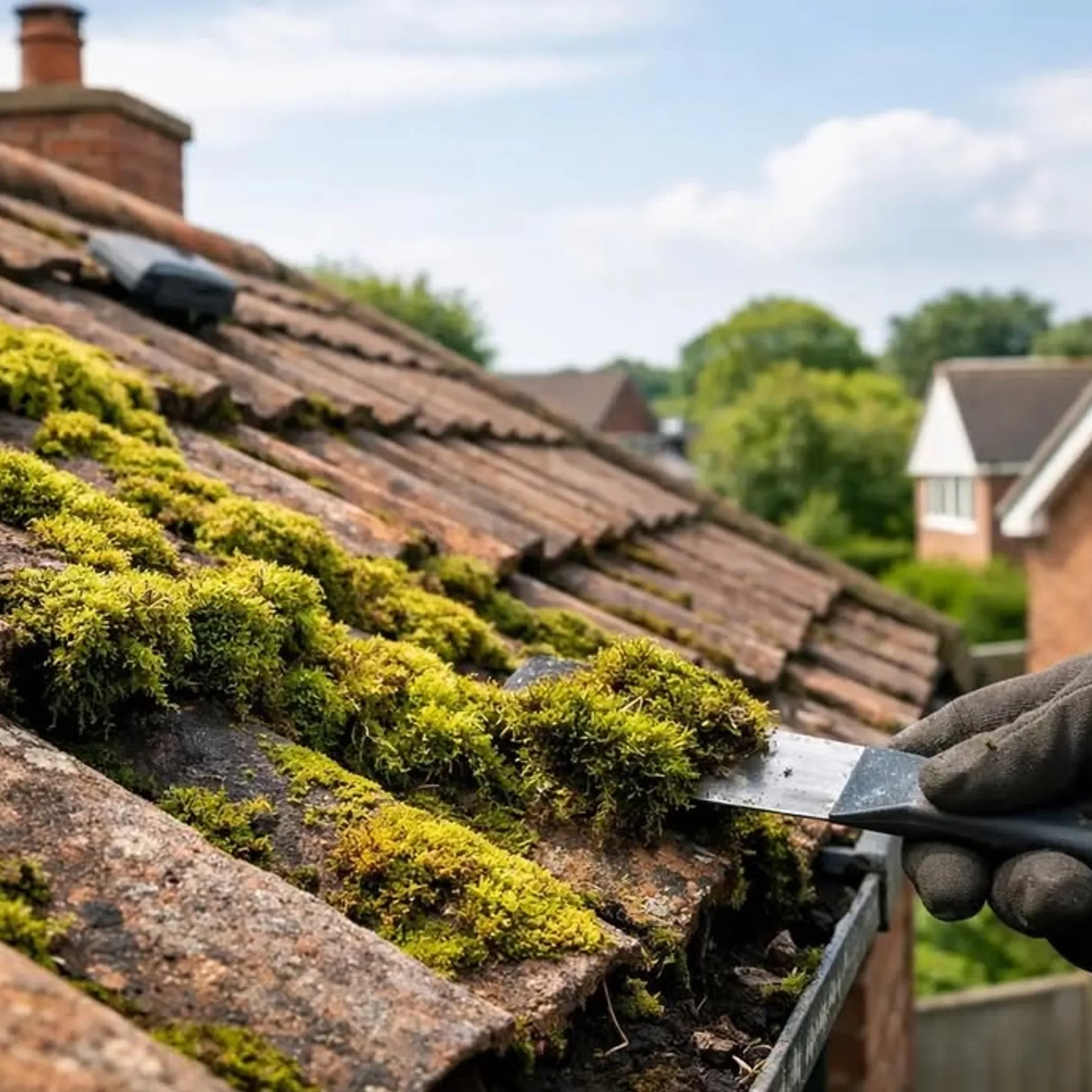
The bulk of queries regarding moss are really about whether it is cosmetic or a symptom of something more serious with the roof. Where it is, how thick it is, what is feeding it and its impact on drainage will dictate the answer.
Is every roof going to be damaged by it?
Not in the least. While small patches can be put down to looks, once moss is established it will hold moisture, get into the tile overlaps with debris and clog the gutters. Older or compromised materials are at greater risk. An inspection is called for to determine if cleaning is in order.
Does it mean the house is not well looked after?
Not always. Even a home in good order can have moss if the roof is subject to coastal dampness, regular rain or unrelenting shade. A lack of attention to the gutters may make it worse but the climate and the site are often to blame for it in the first place.
Will hot weather put an end to it?
It will check the activity and dry out the shallower growth, but hot and dry conditions are unlikely to dislodge what is already there or address the source of the moisture. Come the rise in humidity and rain, particularly around blocked drainage or under trees, the moss will be back.
Lichen and algae are one and the same?
They are not. Moss is a plant-like organism making for soft green growth. Algae presents as a film of some colour or slipperiness; lichen is a hard crust of sorts, a union of fungus and a photosynthetic organism. They may be found together but they are different.
To pressure wash the roof?
Do not think of it as a safe option. It has a way of damaging the pointing, flashing, tiles and coatings and forcing water where it does not belong. If you are in any doubt as to safety or access, seek professional counsel and employ a method appropriate to the pitch and condition of the roof.
Let the climate work for you
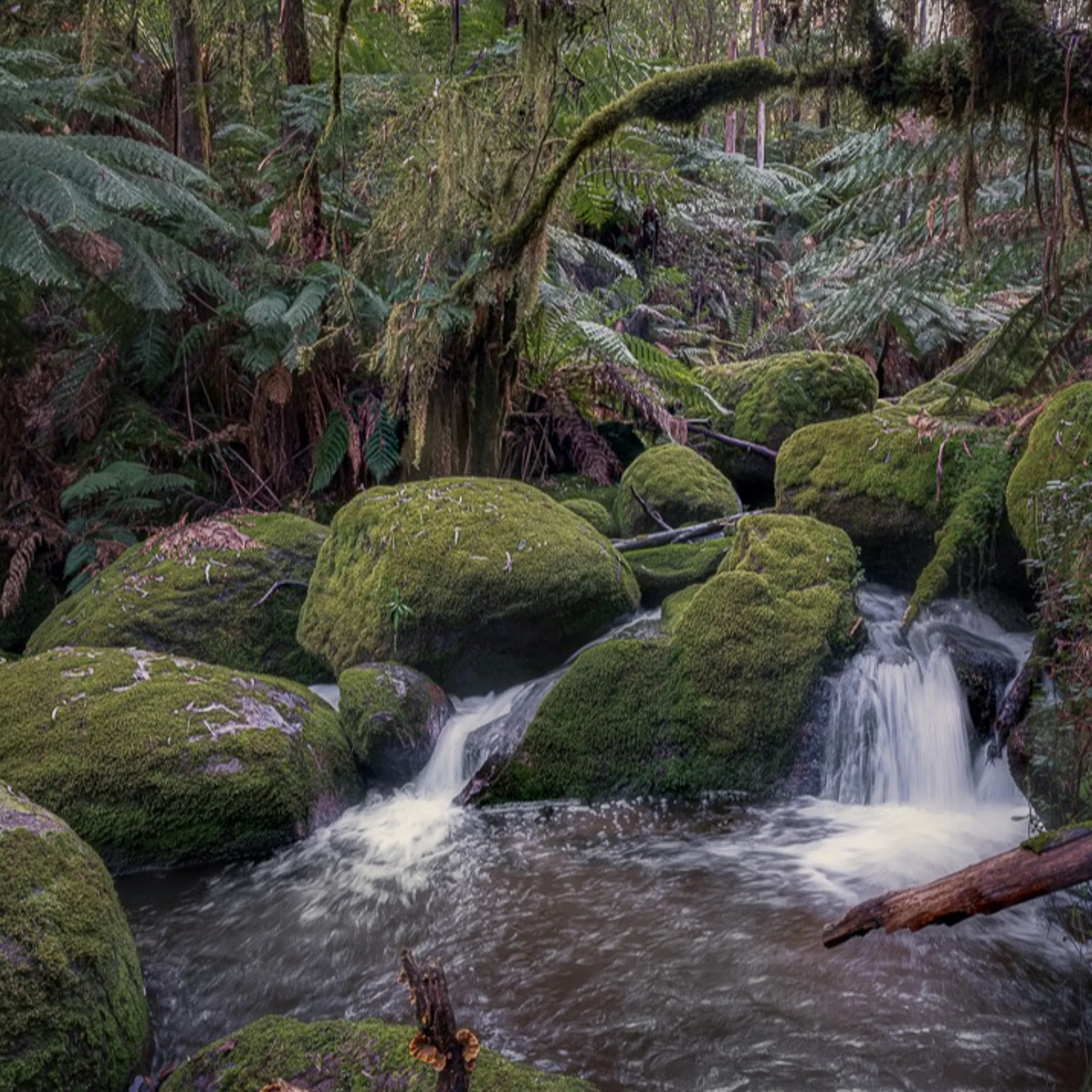
There is a logic to the way moss grows in Australian climates: the roof surface offers a place to attach, temperature governs activity, shade retards drying and rainfall brings the moisture. The tropical and temperate zones are where you will find the most persistent risk, the Mediterranean and arid regions more of a seasonal or localised affair.
It is good practice to have the roof seen to before the wet season, clear the drainage and regard shade as more than a decorative feature. A roof need not resemble a rainforest to warrant some attention; a gum tree and a gutter that is blocked will do it.
