Autumn is as a rule the time to be maintaining solar panels in Victoria, March through May once the summer has put its heat and storm debris and dust behind you. But spring from September to November will do just as well for a clean up and some safety checks prior to the longer days of higher energy output.
I am Gideon Bennett. You can say I have put my money where my mouth is on the matter of planning; after years of double checking the forecast, packing an extra pair of socks and putting right what was fine until I got my hands on it, I know maintenance should not be left to chance. The same goes for your solar panels. That is where expert panel upkeep earns its keep. A check done with some forethought will find loose cabling, leaves, bushfire ash or a monitoring fault before they turn into a costly affair.
Choose When To Do It
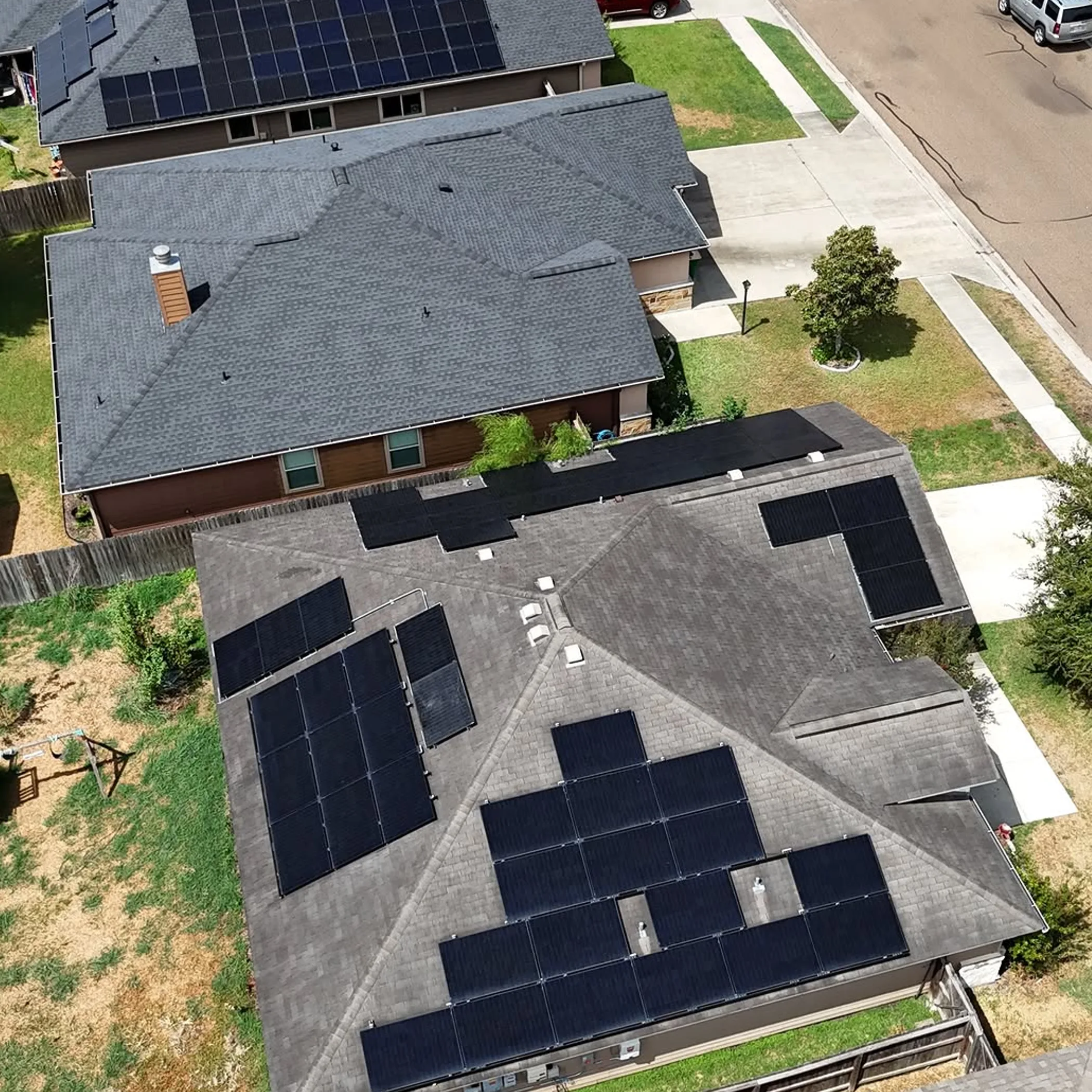
There is no magic date on the calendar for this, timing is everything given how quickly Victoria’s weather can turn. One wants to get on the roof to inspect and clean when it is stable and dry and there are no storms in the offing.
For the majority of homes autumn is the all-round answer. Spring would be second best, particularly if the trees have been dropping leaves in autumn or the winter has left its mark. Then again it comes down to the pitch of the roof, any coastal exposure or dust, vegetation and whether one has a battery system at home.
Why Autumn Is Ideal
It is a good balance between the wet of winter and summer’s heat. From March to May you will see the effects of bird droppings, pollen, dust and in some parts of Victoria bushfire ash on the panels. Get them cleaned and the system is ready for the shorter winter days.
Technicians across Victoria are also more inclined to service panels in autumn than in the height of summer. The panel is cooler to work on which aids inspection, though proper electrical and roof-safety protocol is still observed.
Do not be taken in by the rain doing the job for you. It may rinse some dust but it has a way of leaving mineral marks and working grime into the frame. Up close a panel might look to be in order but a film is there that will compromise efficiency.
Spring For Summer Output
If autumn has passed or winter has left a layer of grime, the months of September to November are when to attend to the panels in Victoria. With more daylight you can monitor the system and tell if output is not what it should be.
Properties with deciduous trees around them are well served by spring maintenance. Leaves and branches have a habit of finding their way to the gutters and cable routes; clear them away before the hot weather and you will spot any damage from a winter storm without the mess.
That is not to say spring is superior to autumn. Letting dirty panels go until then could cost you in lower generation for months. Put simply, the first safe and dry opening after you notice contamination is the time to act.
A Seasonal Approach
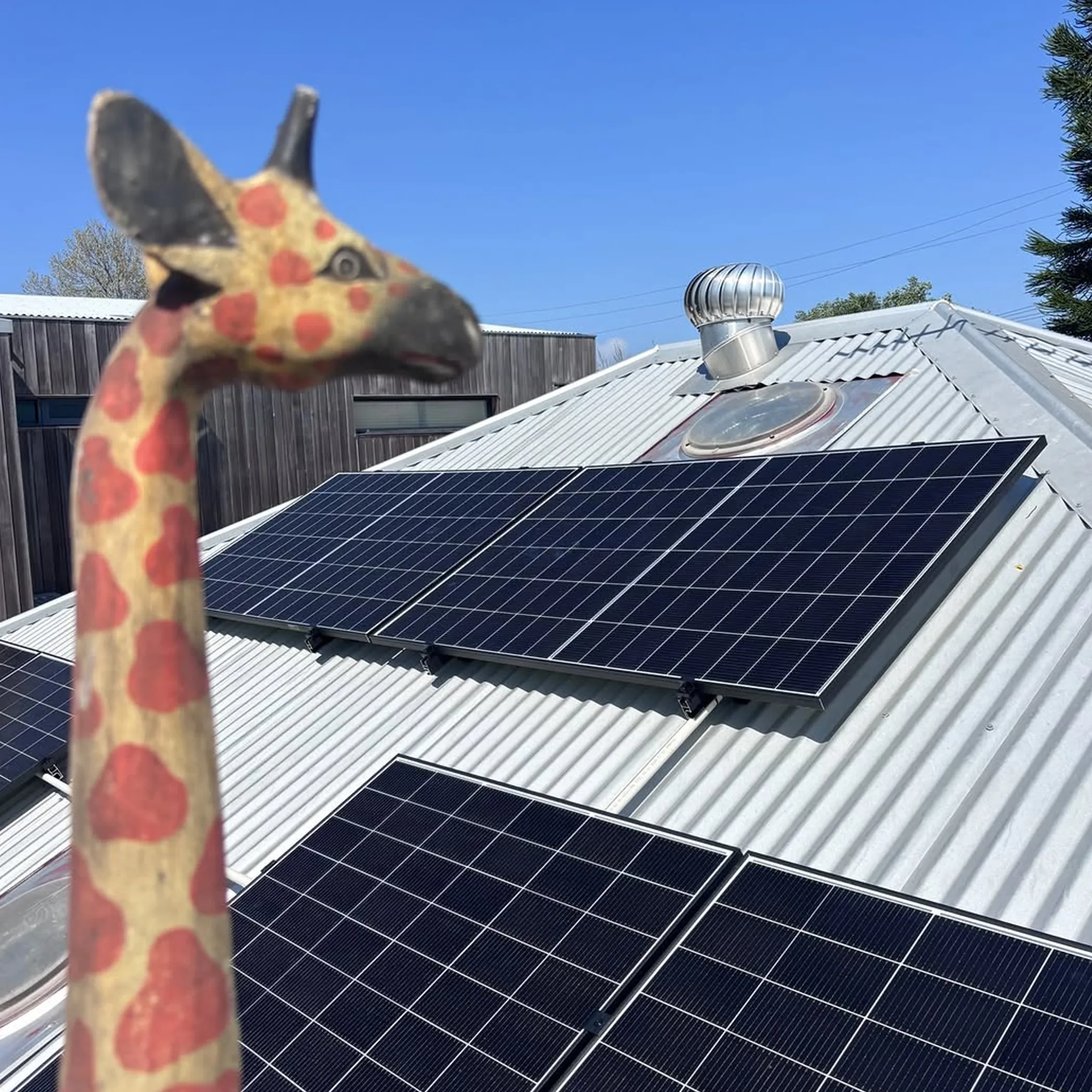
In Victoria you can have coastal salt, urban pollution, frost and high winds in the course of a week. The roof is not going to be dictated to by your calendar so maintenance is about what the season has put down.
The table is a guide to help with planning, but where there is roof damage or an electrical issue a professional should be called.
| Season | Typical period | What to check | Useful action |
|---|---|---|---|
| Autumn | March to May | Bushfire ash, bird droppings, dust and storm debris | Have the panels cleaned and a look at the cabling before winter |
| Winter | June to August | Lower output, blocked drainage, moss and winter grime | Leave roof work for better weather and put in for repairs |
| Spring | September to November | Storm damage, nests, pollen and leaves | Check for shading and clean ahead of summer |
| Summer | December to February | Fire conditions, inverter warnings, heat and dust | Steer clear of the roof in unsafe or hot conditions and keep an eye on the inverter |
Be Wary Of The Heat
Roofs in summer are hot and panels are not pleasant or safe to be around. There is a risk of dehydration or a slip and one’s judgement can suffer. Even in a quiet house the panel is producing power, a sunny roof is not to be considered harmless.
Use the summer to review system monitoring and the inverter app for any oddity in daily production. A inverter that is faulting on a regular basis should not be put to the test with repeated restarts. Make a note of the warning and put in a call to a technician with the right credentials.
Winter Reveals What Was Hidden
After a spell of rain and wind, or when the sun is low in the sky, one will notice winter grime. On a home close to trees or with a low-pitched roof, moss, mud and other organic debris can make an appearance around drainage points and frames.
There is less solar energy to be had in winter from the shorter days and clouds; an output reduction is not necessarily indicative of a problem. Have a look at the inverter app and see how it has performed in like conditions before you go and book a clean.
Is it wise to have the panels serviced ahead of winter? In many cases, yes. If the inverter has been putting out warnings, there are trees about the roof or the system has not been seen to in years, a pre-winter inspection is a good idea. It will turn up any water ingress, damaged cabling or mounting hardware that has come loose before the weather turns wet.
Cleaning on a Regular Basis
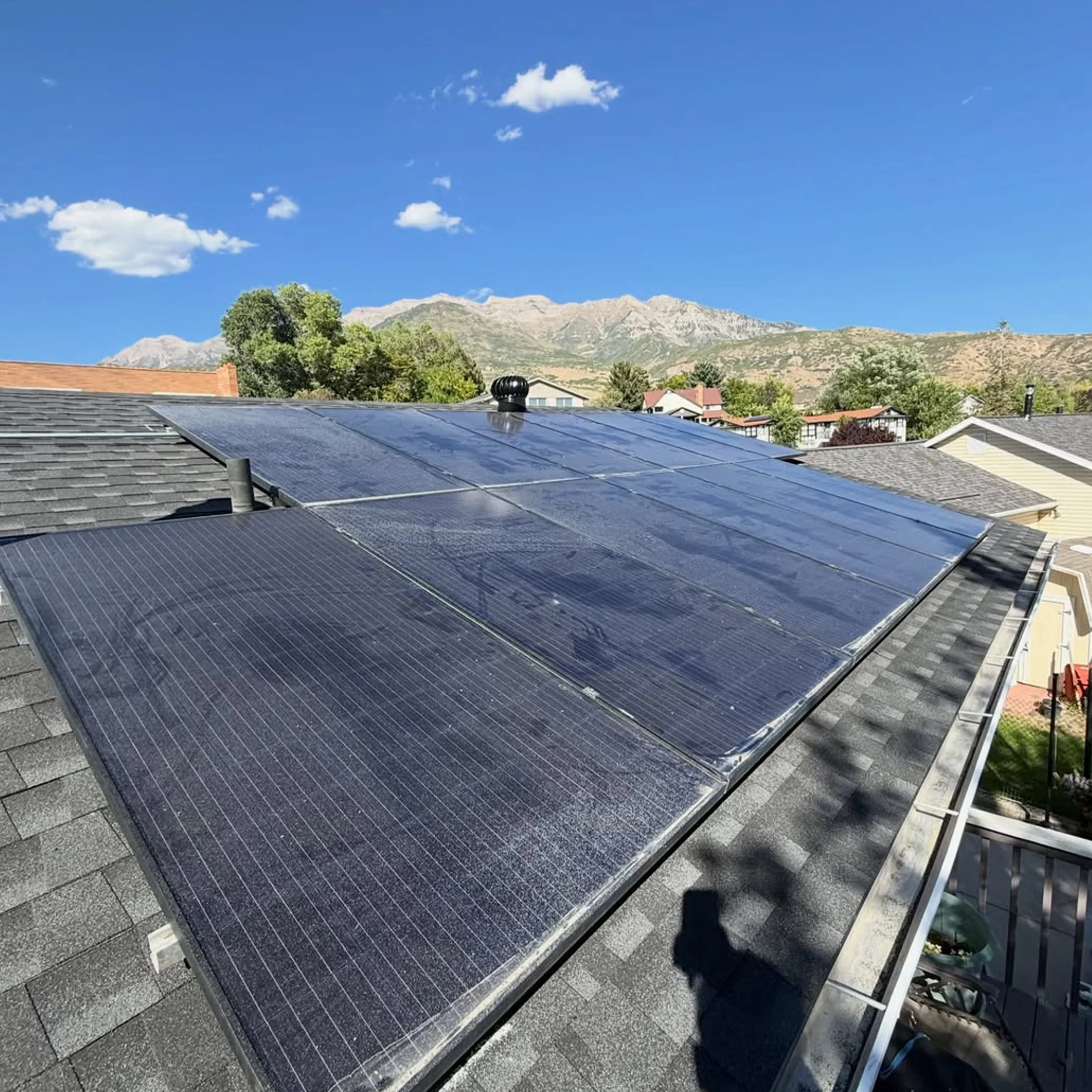
There is no set rule for how often solar panels need cleaning, the site dictates it. A suburban roof free of dust might only require it now and then, whereas a property in the country or by the coast calls for more of an eye. Rely on performance figures and a visual check from where it is safe to stand.
An annual seasonal review is what most find sensible, with some extra care after a storm, heavy leaf fall, smoke or construction in the vicinity. But if the panels are getting a good washing from the rain and are clear to see, cleaning can be put off. Not so when there is ash or bird droppings to be seen.
The extent to which dirty panels cut into production is down to the nature and placement of the contamination. A little dust is nothing compared to a spot of bird droppings that puts shade on a panel. Do not make up a percentage figure; monitor the system and do your own looking.
Evidence from the Output
The inverter app will tell you if production is not following its normal course for the weather or if there are error messages. Judge it over a few days instead of lashing out because of a cloudy afternoon. Clouds, temperature and the length of daylight will affect generation.
It is a common mistake to put every shortfall down to the panels being dirty. There could be a meter problem, a faulty inverter, new shade from a tree or even an internet-monitoring failure. If the inverter looks fine but the app is not updating, it is likely a matter of communication.
Put down the date of the last clean, the state of the weather and any warnings in a simple record. When things change it makes for a useful baseline and means a technician can get to work without delay.
No Risks with Panel Cleaning
For a Victorian homeowner, keeping the panels clean is a matter of doing what is safe from the ground or an area of easy access. The roof is where the line is drawn. Should the job entail a ladder, walking on tiles or being near electrical gear, it is not something to be done on a weekend.
Panels are still live in the daylight and can be harmed by a brusque tool or an abrasive product. You do not want a broken seal or an accident for the sake of a tidy roof.
Ground-Level Procedure
On a single storey with safe access, a soft broom or the like and plain water will do. Pick a time when it is cool and overcast and the panels are not hot. Stay away from them if there is a chance of rain or lightning.
Leave the pressure hose alone; it can loosen fittings and drive moisture into the seals. Unless the manufacturer says otherwise, keep the strong detergents and household chemicals off the panels. And do not be spraying the inverter or battery.
A ladder has no place against the gutters or mounting rails. Nor should one be tempted to open up the inverter or tinker with cabling. This is not the day to become an electrician.
- Look over the forecast for a calm, dry period.
- From the ground, check for anything amiss: cracks, nesting material, heavy ash or a cable out of place.
- Use the broom and water where you can.
- If it means going up on the roof or dealing with the electrics, leave it.
- Put down what you have seen and engage a professional.
Plan for access ahead of time
Before you put in a booking, see that the driveway or any path to the property is open and safe for the technician to use. Put the company in the picture on any impediments: locked gates, a narrow side approach, steep blocks, delicate landscaping, roof hatches or skylights, battery storage and dogs. It is better to be well informed and avoid an appointment being called off or the technician having to do some awkward ladder work.
Parking will be at the kerb or on your property as local rules allow. The technician’s job is not confined to the panels; he will want to get to the inverter, switchboard and battery system as well. So leave the way from the entrance unobstructed and have someone on hand to let him in should the property be empty.
In the case of a steep, two storey or hard to get to roof, one that is fragile or in deep shade, the professional may have to bring in equipment. Find out from the quote what is covered, if the inspection is of the inverter and mounting system too, and if approval is needed for repairs.
Matters for an expert
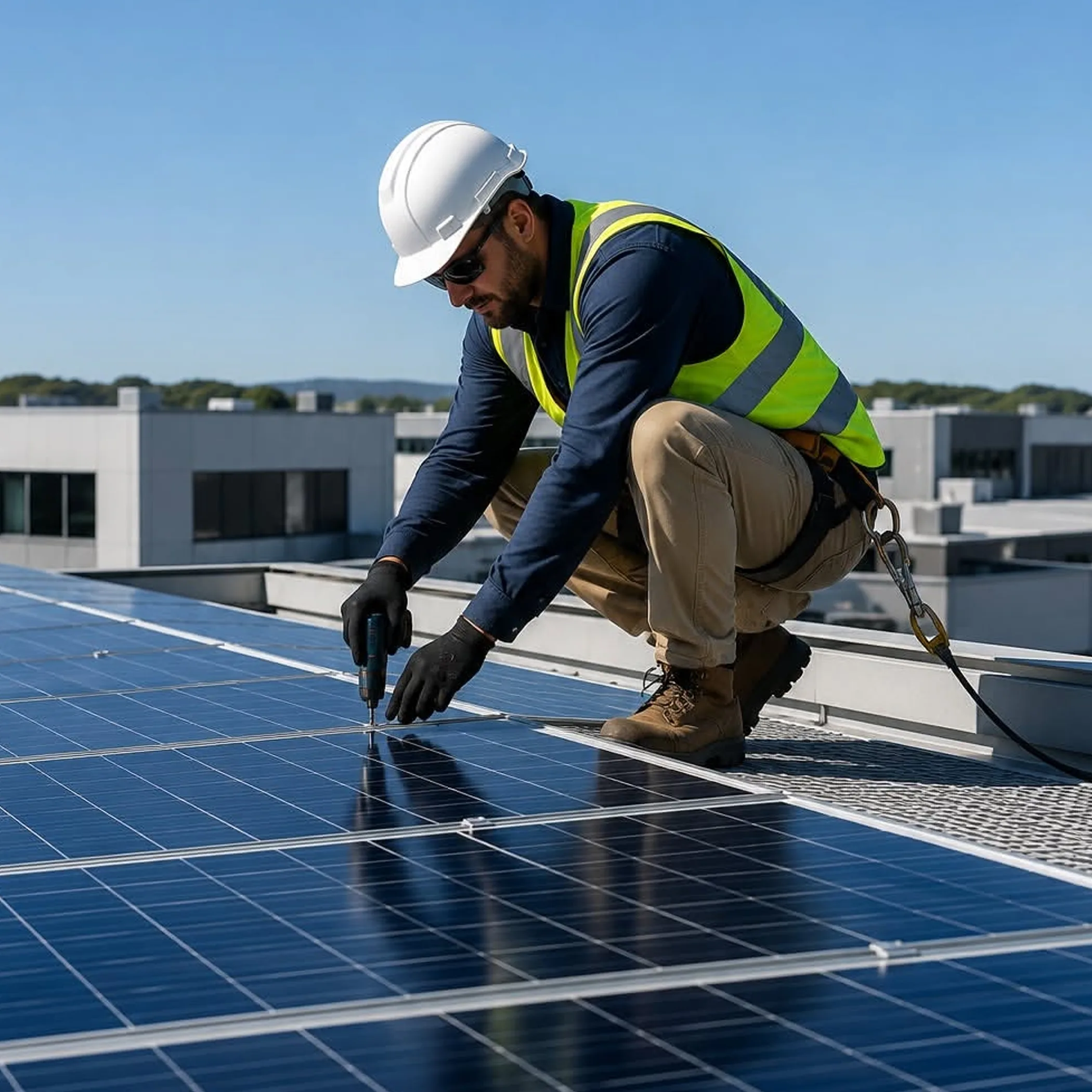
Electrical faults, inverter trouble, damaged wiring, battery issues and anything calling for system isolation are for a licensed electrician or solar technician with the proper qualifications. For licensing and up to date electrical safety advice, go to Energy Safe Victoria, the state authority (see their website for electrical safety information).
What constitutes a service in Victoria can be a matter of interpretation; it might be a look over the inverter, isolators, cabling, hardware and the like, but the scope is not set in stone. Get a written description of it instead of taking for granted that “service” equates to a thorough technical inspection.
Should there be scorch marks, cracked glass, exposed wires, water near the equipment, a burning odour, odd noises, a battery alert or output that has fallen without reason, get help right away. Stay clear of the damage and keep children and pets at bay till the system is seen to.
Picking a service
Panels with no warning signs and some surface dirt are fine for a cleaning visit. An older system or one where the inverter app is not to be relied on, or after a hail storm or fire, would be better served by a technical inspection.
Make sure the provider has the licence and insurance for roof work and is used to your system. With a battery in place, check the quote includes the necessary safety checks and is not panel only. Solar Victoria has details on Victorian programmes but does not take the place of a technician with a private system fault.
You will find costs are a function of the size of the system, condition of the panels, how high the roof is, travel and the need for special equipment or repairs. A clean will run you less than an inspection with repairs, but a quote should be given first. Do not be taken in by an offer to put everything right from the driveway at a price that seems too good to be true.
A maintenance plan for a day
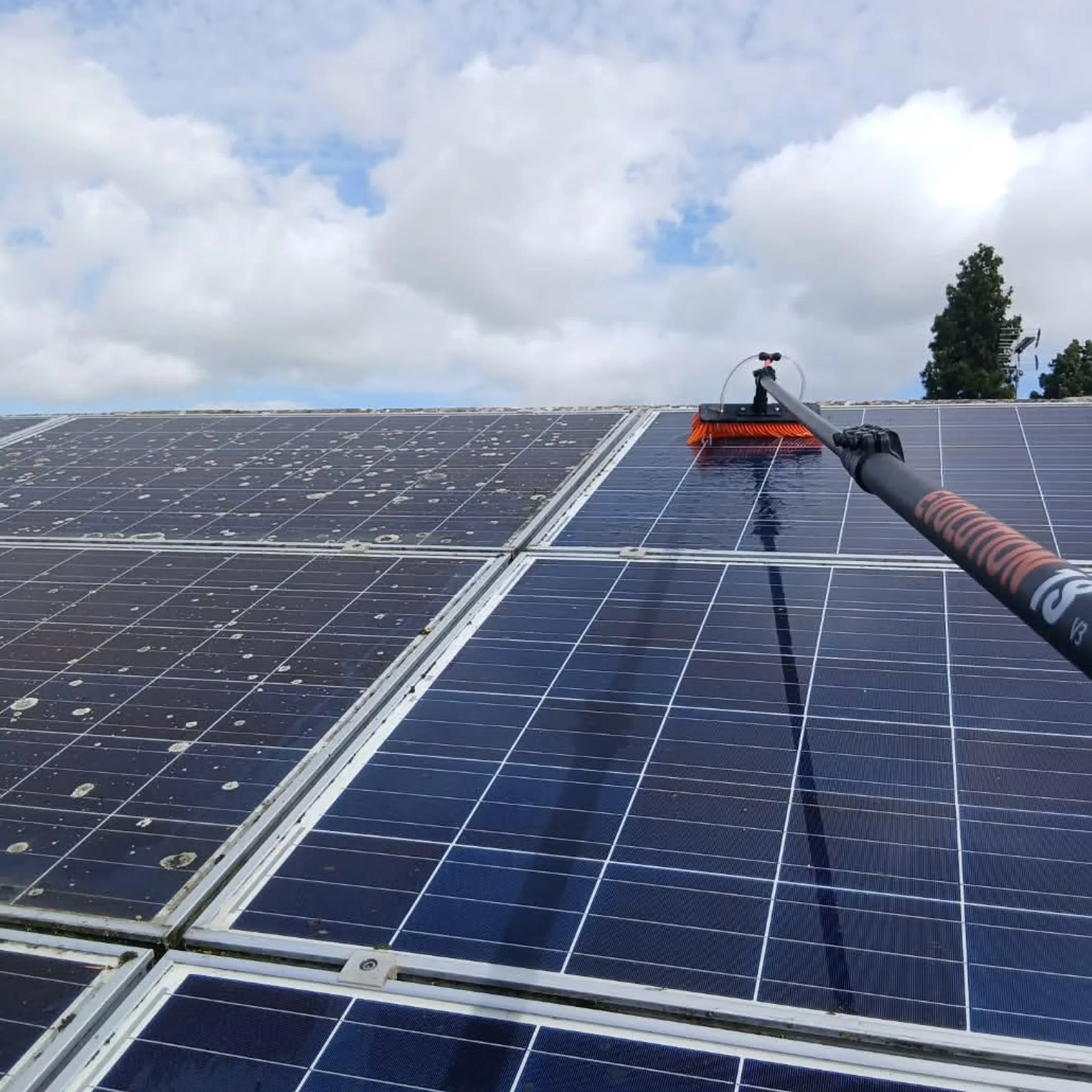
One day is enough if you make it a cool and dry morning in the spring or autumn. After monitoring the system, have a look at the panels and roofline from the ground, put in order the areas of safe access and call in a pro for what is out of reach.
For those new to it, observation is what matters, not climbing. The inverter app is a good place to start for a review, as are the panels themselves for any shade or debris. Make a note of odd noises or warnings and put visible damage on record with a photo from the ground. But leave the roof, electrical isolation and battery systems to others; these are not for a novice.
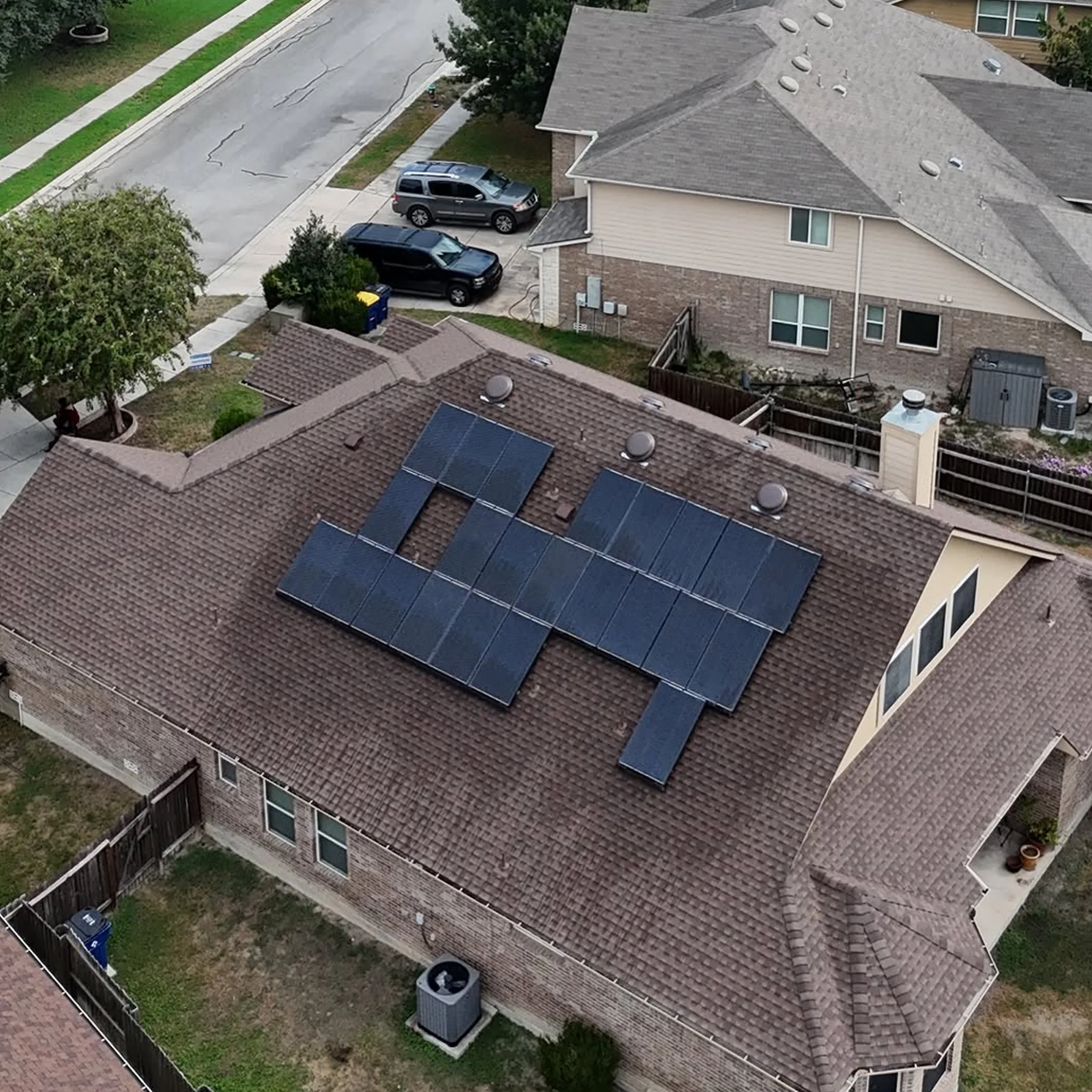
Properties have their own way of being hard on equipment. In bushland one has to be on the lookout for ash and embers after a fire. Salt is a concern in coastal areas and will demand more frequent inspection. And under the trees there is always the matter of leaves and nesting material. Then there is the rough as guts weather that comes its way.
- Morning – have a look at the inverter app and see how output has been of late in normal conditions.
- Late morning – from the ground, check for shade around the panels, cables, gutters and so on.
- Midday – if it is unsafe to do the work or make an electrical connection, put in an order for a service or cleaning.
- Once the visit is done, put down the date, what was found and the method of cleaning along with any follow-up that is called for.
Frequently Asked Questions
How often is a clean needed for solar panels in Victoria?
A visual and system monitoring check should be done seasonally at a minimum. When you see the surface or the output is compromised by grime, ash, droppings or leaves, then it is time to clean. An annual inspection or clean will do for most homes but those in rural, dusty or tree-covered country, or on the coast, will want to be more assiduous.
Is spring or autumn the preferred time?
Autumn is generally where one would start to get rid of the dust, ash and storm debris of summer ahead of winter. Spring is no worse a choice once the pollen and leaves of winter have built up. That said, a safe dry spell is of more consequence than the calendar.
What is the proper way to clean them?
When the panels are cool, a soft broom and water from the ground will do. Do not go climbing on the roof or use pressure hoses and the like. Any electrical work, damage or hard to reach spots should be handled by a licensed electrician or technician.
Is it worth having them serviced before winter?
If the inverter has put out a warning, or the roof is in the line of fire from storms and trees and has not been looked at of late, a pre-winter check is prudent. One can spot drainage issues, loose parts or a fault in the monitoring before the wet sets in and makes access difficult.
Will dirty panels cut into energy production?
They can, though the degree of it is variable. A panel may be shaded in part by bird droppings or a thick layer of grime, whereas some light dust is of less account. Before concluding that a change in performance is down to dirt, run through the system data over a few days.
Maintenance that is simple and safe
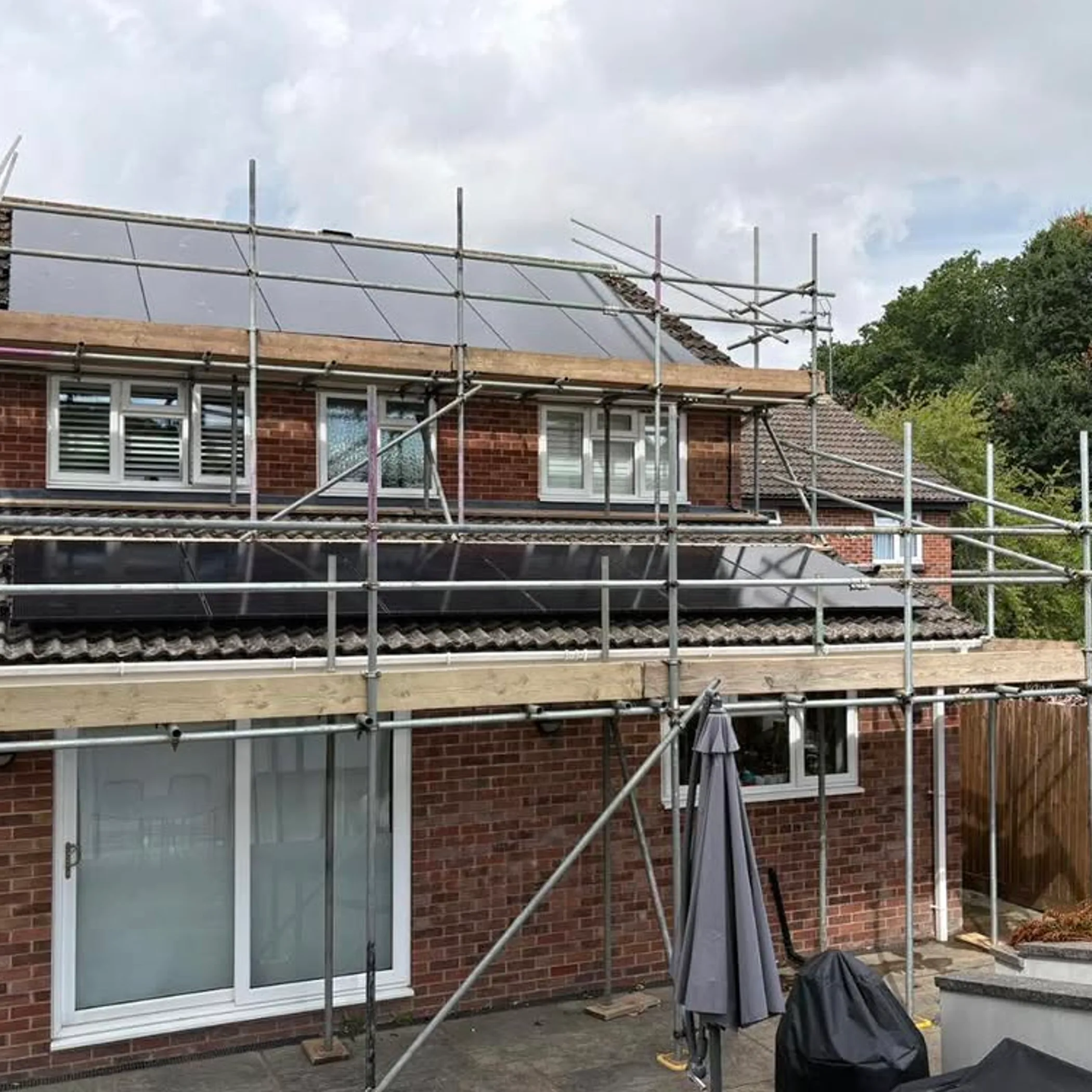
In Victoria autumn is usually the best season for tending to your solar, with spring as a fine alternative. Make sure the weather is cool and dry, give the inverter app a once over and after any fire or storm have a look about. If in doubt, consider roof access a job for the professionals.
There is no need for a homeowner in Victoria to be polishing glass to a shine. Proper maintenance is in the protection of your energy generation and in the early detection of a fault and the wisdom to know when to desist. I am Gideon Bennett and my approach is a practical plan with both feet on the ground and a clear path to access. Not as dramatic, but as a rule it is better in the end.
