In a word, there is no national PMU licence in Australia for 2026. The regulations are more of a layered affair encompassing local skin penetration, advertising, health and chemical rules that have to be observed by any studio or practitioner. Whether you are on the business side of PMU or making an appointment for some lip blush or eyeliner, compliance is what you will find with AICIS, public health laws at state or territory level, your local council, infection control protocols and, should a registered health practitioner be in the picture, AHPRA.
Some would say that is the short of it. Others get tripped up over the longer version. You will come across operators who think “cosmetic” is a free pass from heavy regulation. In fact, permanent makeup has more in common with tattooing than with putting lipstick on the shelf at the chemist. Gideon Bennett: put me down as someone who has seen talent not save a business from its own paperwork. It is the unglamorous details you put in order before a client is through the door, not a fancy fit out.
What Has Changed In Practice
Do not expect a sweeping new national law to drop from on high in 2026. The change is in the scrutiny of what is already in place. There is a harder look being taken at industrial chemicals, cosmetic procedure advertising, and infection control. Can a business show how they sterilise, what they are using and the training of their staff?
It is important given the regulatory overlap of permanent makeup. You have skin penetration and tattoo ink regulations Australia style, then cosmetic labelling and at times the same issues that pertain to cosmetic injectables regulations Australia. If your supplier documents are thin or your paperwork is rough as guts, you cannot fall back on “we have always done it this way”.
Expectation Versus Reality
The expectation is that a tidy room and a well done brow means you are in the clear. The reality is that traceability is where compliance is made or broken. Environmental health officers and the consumer want to know the provenance of the pigment, how sharps are put away, whether a needlestick or complaint is dealt with, and what training has been put in place.
Most often it is the fragmentation that is the undoing of people. You have the Australian Industrial Chemicals Introduction Scheme on one hand, the state public health act on another, then council registration and advertising obligations for the practitioner. Map it out and it is all quite straightforward, but many a business never bothers to make the map.
Who Regulates What
You will not find one department with a rubber stamp and a licence form. National bodies and local enforcement share the work of regulating PMU in Australia.
Put together your compliance checklist and consider it a regional road trip. Some roads lead to devices and professional conduct, others to the council inspector who gives the nod for your premises to open, and still others to chemicals. Take a wrong turn and you are left stranded.
AICIS And Chemical Oversight
Under the Australian Industrial Chemicals Introduction Scheme (AICIS) the introduction of industrial chemicals is regulated, which is of consequence for the substances and pigments in permanent makeup products. An introducer of something manufactured or imported for use here has certain obligations in the way of record-keeping and categorisation.
Unless the PMU artist is the introducer he or she will not be registering with AICIS, yet proper documentation from the supplier is to be had. Do not be under the impression that ordering from overseas online absolves the studio of risk; it does not. Murky safety documents or intended use are red flags. For the official line on things consult the Australian Industrial Chemicals Introduction Scheme.
TGA And Therapeutic Boundaries
The TGA may not be the regulator you deal with every day at the premises, but when a device or product becomes a therapeutic good they are in the picture. With few exemptions, anything supplied in Australia of a therapeutic nature needs to be in the Australian Register of Therapeutic Goods. As a rule of thumb for any standard cosmetic permanent makeup service, leave the medical claims alone unless they are lawful and can be substantiated. Once a product is put out there with therapeutic overtones as opposed to your standard cosmetic fare, the waters are no longer shallow.
AHPRA and its Registered Practitioners
Under AHPRA and the National Boards’ purview are the registered health practitioners they regulate; this covers everything from professional conduct and scope of practice to the rules on advertising for any doctors or nurses doing cosmetic work. The 2026 AHPRA cosmetic procedure guidance will be of note to those in business who see their beauty services encroach on more invasive procedures.
Not all PMU artists fall under AHPRA, most don’t, unless they happen to be a registered health practitioner. Yet for a clinic that has nurses or doctors on staff, or one that promotes PMU in the company of medical cosmetic offerings, the AHPRA dimension is something you cannot ignore. Scope creep has a way of beginning in small ways and getting very costly.
Rules from the States and Councils
While national regulators provide some of the framework, it is state legislation and local councils that dictate how you operate on a day-to-day basis. Australia’s skin penetration regulations are made manifest here in the form of operator obligations, waste disposal, cleaning protocols, inspections and the like for your premises.
You will not find an honest one-size-fits-all because jurisdictions vary. An operator in one state can expect different fees, inspection and paperwork than his counterpart in another, even if both are running a first-rate operation.
The Registration Process
PMU is classed as a personal appearance service or a skin penetration business in some places. So before you open for business you will have to put in a notification or get approval from the Local Council and keep up to public health standards at the premises. Some councils will want to inspect prior to opening, others do it by risk or when a complaint is lodged.
In New South Wales for instance, questions about permanent makeup licensing will take you to the Public Health Act 2010 and the 2012 Regulation for skin penetration procedures. There is no such thing as a “PMU licence” in the way one might think; the NSW framework is such that practitioners and their premises have to conform to the council’s infection control and skin penetration rules.
An Inspector’s Eye
Inspectors are not interested in your branding, they want to see practical controls: washable surfaces, single-use items that are indeed used once, documented cleaning, a hand basin where one is called for, proper separation of the clean from the dirty and safe disposal of sharps. Should an autoclave be present, expect to be put on the spot for cycle and validation records.
It is much like I have seen in hospitality, where they put money into the front counter and neglect the storeroom. A PMU studio can make the same mistake. The fit-out may be impressive but a muddled back room or a weak sterilisation trail is trouble waiting to happen.
Studio Hygiene
There is nothing glamorous about the infection control standards for permanent makeup but they are what keeps clients, staff and owners from harm.
You do not need a movie scenario for cross-contamination or infection. It is the everyday errors: a bottle handled with contaminated gloves, a surface barrier put to use again, a hasty job of cleaning between clients or not being clear on what constitutes clean.
Single-Use Is Not Open to Interpretation
Open the needle in the client’s presence if you can, use it and put it in the approved sharps bin. The same goes for razors, caps and applicators as the case may be. And while it seems self-evident, saying “it was only for a touch-up” is how careers are ended.
Gloves and environmental cleaning are equally important. Put on a new pair but if you have not washed your hands first, or then go and handle a phone or pigment bottle without due care, the gloves are no shield at all.
Autoclaves and the limits of sterilisation
Pre-sterilised disposables are the order of the day at some PMU studios, so there is not much call for on site sterilisation of reusable instruments. Then you have those that make use of reusable tools and by necessity put in place an autoclave system. An autoclave will not do with a spot on the bench and good intentions; maintenance and validation is called for, as are records in keeping with the manufacturer and local regulations.
Operators often make the mistake of regarding sterilisation as something they buy once and are done with. The machine is only one element of it. There is the packaging to consider, preparing the load, choosing your cycle, storage and the record keeping.
Expected Training
You will see HLTINF005 come up a lot since it addresses infection prevention in skin penetration work. States may vary in their training demands but demonstrating due care and practitioner certification is best done with the right kind of competency in infection control. A business would be well advised to have induction files, cleaning protocols and procedures for exposure incidents that can be put to use when things get busy.
One thing to take from this: infection control breaks down in the handover. Be it mid-clean or restocking, or when you put down the phone after a treatment. Shortcuts have a way of creeping in then.
Ink Safety And Supply Chains
The pigments you use for permanent makeup are a risk factor, not merely a matter of colour. Because they are implanted in the skin, issues of contamination, labelling and what the product is meant for are brought into play, not unlike the tattoo ink regulations Australia.
Be wary of imports in 2026 with little documentation to show for them or an ingredient list that does not tell you much and no Australian trail. You do not want to find out how costly cheap stock can be when an insurer puts questions to you or you have to deal with a council over a client reaction.
Purchasing Pigments
It is prudent for a studio to ask for batch and supplier details, safety data, proof of lawful supply and the like. The cosmetic label should leave no doubt as to the product and its safe use. I am not one to let a bottle near a face if the supplier cannot put what is in it in plain English.
Australia regulates cosmetics by means of therapeutic goods rules, industrial chemicals regulation, consumer law and controls on ingredients. PMU is in a more constrained position than a rinse-off cosmetic given the product goes into the skin.
PMU Practitioners

There is a difference between being able to handle a machine and having the competence to practise. Artistic flair aside, scope of practice, first aid and supervision are important. Careful owners and consumers are of one mind on this; neither wants to be the guinea pig for someone who has picked up half his trade from social media.
Records, Consent And Scope
A PMU operator of any worth knows when to turn a treatment down and is versed in contraindications, patch testing and aftercare. Client history, incident reports and lot numbers should all be on file. Consider them your rainy-day gear, you would rather not have to make use of them but you will when the time comes.
Should a registered health practitioner be involved, whether doing the work or overseeing it, AHPRA and the National Boards will have their say on advertising and professional boundaries. It is an extra form of accountability if nothing else.
A Compliance Checklist
For the PMU business owner there is the practical side of things. Do not wait until you have to open to put a system in place. The ones that are not the most ostentatious tend to be the steadiest because they have made compliance a dull routine.
Much like checking the car before you put in past the last servo; it is easier in the driveway than changing a tyre in the bush.
- Make sure you are in line with your state or territory rules for skin penetration and put in a word with the Local Council on any approvals or inspections required.
- Arrange the premises so workflow is safe, with cleanable surfaces, sharps and waste properly put away and hand hygiene at hand.
- Have your infection control in writing, from stock handling to exposure response.
- Put in order the records for your practitioners’ certification and any HLTINF005 training.
- And for your consumables and pigments, go with a supplier you can trust and who has the documentation to prove it, bearing in mind AICIS considerations for the importer or manufacturer of permanent makeup.
- Put product claims and marketing to the test to be sure there is no drift into therapeutic claims you cannot back up or advertising that is in any way misleading.
- Keep on top of your documentation: treatment records, incident logs, aftercare instructions and consent forms should all be in order.
- Then have a look at what the insurers want. A good many will put you through some detailed questioning on sterilisation systems, waste handling and skin penetration.
Rough Cost Reality
Forget a national flat fee; what you are charged depends on the council area, your fit-out, training provider and waste contractor. Small operators have a habit of underestimating setup costs in favour of the ongoing fees. The unexpected bills tend to come from premises work, commercial waste, time put in on paperwork and, where necessary, autoclave validation. One does not make an excuse to cut corners for that, one simply budgets accordingly.
What Clients Should Check
A consumer has no need to play regulator but should be clued up enough to steer clear of trouble. Do not be taken in by a discount (or think a spick and span Instagram is evidence of safe practice).
When it comes to the merits and perils of permanent makeup, put some practical questions to the operator before you part with your money and put your face in their hands. A good operator will give you a straight answer. You can tell the dodgy types by the waffling, the evasions or an odd defensiveness.
- Find out if the premises has been registered or approved as the case may be and under which local authority.
- Inquire as to how consumables like pigment cups and needles are dealt with, and if single-use items are opened fresh.
- You might want to know what infection control training the practitioner has done, HLTINF005 being an example of relevant skin penetration training.
- Get the lowdown on pigments used and whether batch details are put on record, as well as the sort of aftercare and advice on complications they proffer.
- Should an operator be unable to account for his hygiene, identify his pigments, start making medical promises or put the pressure on for an immediate booking, just walk.
Who This Advice Is For
PMU artists, those running a clinic or salon, and the discerning consumer will find this guide of use. In particular the small operator putting in his first studio, the mobile provider who has to consider fixed-premises rules, and the client who wants something more to go on than “she is very popular online”.
There are some who should not be left to their own devices in interpreting things. The beginner with a supplier starter kit and a notion of winging it; a business tacking on PMU as a side service without looking at its legal obligations; or anyone who would have you believe Australia’s cosmetic injectables regulations Australia apply to PMU. They are two different services with a different rule set.
Current Industry Direction
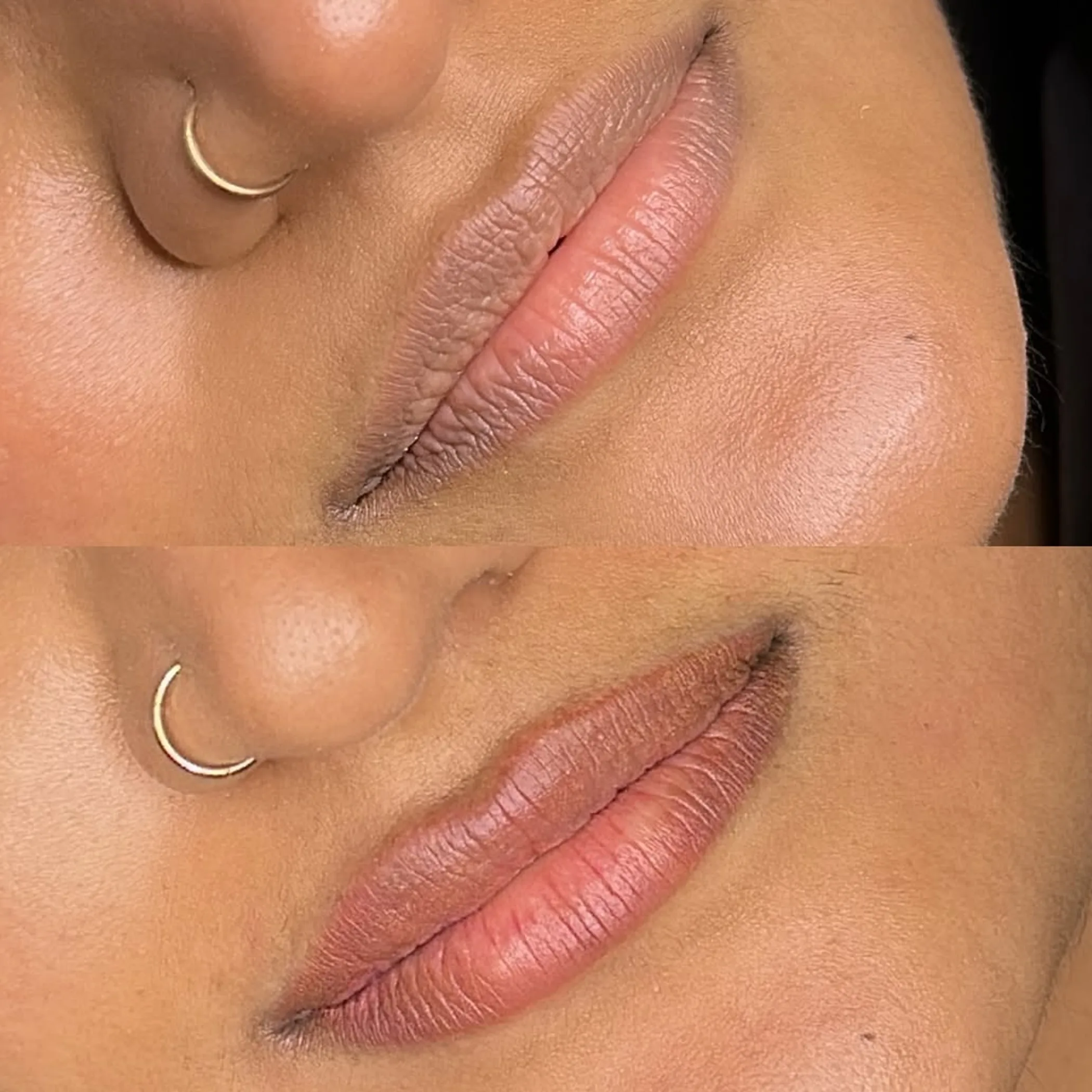
As for 2026, the cosmetics industry is seeing trends toward safer supply chains, better documentation and a hardening of consumer scrutiny, particularly in the PMU sphere as to scope of practice and advertising. The client these days will want to know what is in the pigment, how it will fade and what happens in the event of a problem.
The new regulations for cosmetic injectables in Australia? That is a matter for mixed-service clinics that market both. The trend is for tighter controls on patient safety and how procedures are put forward. A business offering the lot had best understand the dividing line between them and not confuse the issue for convenience.
Final Word From Gideon Bennett
Here is the unvarnished truth: you can work with the permanent makeup regulations in Australia provided you do not look for some magic permit and regard compliance as a system with layers. Training, records, honest marketing, chemicals, the premises and infection control are all part of it. Not very exciting but useful.
I check the forecast twice before I go out; the good operators have a similar respect for the quiet details and will run over the paperwork more than once. It is not a flashy habit but it will spare you strife. More so than anything in a well made brochure.
Frequently Asked Questions
Is a national PMU licence required in Australia?
There is none that is valid across the board. You will find the requirements are apportioned between state or territory skin penetration laws, local council and infection control, and for registered health practitioners AHPRA obligations where they pertain.
How are cosmetics regulated in Australia?
Through a number of avenues. There is consumer law and TGA rules for therapeutic goods or claims, as well as controls on industrial chemicals and labelling. PMU products warrant a closer eye since they are implanted in the skin and not merely put on top.
What Products Require TGA Approval?
The TGA will have oversight of therapeutic goods for the most part, by way of the Australian Register of Therapeutic Goods unless one is exempt. A PMU business would be well advised to ensure it does not put forward any medical or therapeutic claims for a standard cosmetic product that are not substantiated.
Is there a distinct form of licensing for permanent makeup in NSW?
Not as some would have it. Under the Public Health Act 2010 and its 2012 Regulation, PMU in New South Wales is subject to the rules governing skin penetration procedures and local council enforcement. One is more likely to be looking at premises registration and other operational requirements of the locality than a licence for the artist per se.
A beauty therapist can in many cases do PMU without being medically registered so long as he or she is in keeping with the state and local regulations on skin penetration and infection control, has the requisite training and advertises in a lawful manner. While PMU does not of itself call for medical registration, those who are registered will have to answer to further AHPRA rules.
More on this: permanent makeup benefits and risks.
